
RAD 140 Results: Separating Hype from Reality in Muscle Building and Performance
If you’re researching RAD 140 results, you’re likely bombarded with incredible RAD 140 before and after transformations promising rapid, steroid-like gains with minimal side effects. The truth is more complex. While anecdotal reports suggest significant potential for muscle growth and strength, RAD 140 (Testolone) remains a research chemical with no long-term human safety data, significant risks of hormonal suppression, and an uncertain legal status. This guide cuts through the marketing to provide a balanced, evidence-based analysis of what you can realistically expect and the critical safety considerations you must understand.
Table of Contents
- What is RAD-140 (Testolone)? Mechanism of Action
- Real-World RAD 140 Results: What Can You Actually Expect?
- RAD 140 Results Timeline: From Week 1 to Week 8
- RAD 140 Dosage and Cycle Guidelines: A Cautious Approach
- The Dark Side: RAD 140 Side Effects and Health Risks
- The Inevitable Crash: RAD 140 Testosterone Suppression and PCT Necessity
- RAD 140 vs Ostarine, LGD-4033, and Steroids
- Is RAD 140 Safe and Legal? The Critical Gray Area
- Frequently Asked Questions (FAQ)
- Final Verdict and Responsible Considerations
Quick Summary: The Dual Nature of RAD-140
| Potential Benefits (Anecdotal & Preclinical) | Significant Risks & Unknowns |
|---|---|
| Noticeable increases in lean muscle mass | Profound testosterone suppression (Hypogonadism) |
| Substantial strength gains | Altered lipid profile (High LDL, Low HDL) |
| Enhanced muscle hardness and vascularity | Potential liver strain (Elevated enzymes) |
| Moderate fat loss effects | Mood swings, irritability, "SARM rage" |
| No estrogen-related side effects (e.g., gyno) | Lack of long-term human safety studies |
| Used in research for muscle wasting | Legal gray area; not approved for human consumption |
What is RAD-140 (Testolone)? The Science Behind the SARM
RAD 140, or Testolone, is a Selective Androgen Receptor Modulator (SARM). Unlike anabolic steroids, which activate androgen receptors throughout the body (including the brain, skin, and prostate), SARMs are designed to selectively target muscle and bone tissue. The theoretical promise is anabolic (muscle-building) benefits without androgenic (masculinizing) side effects like hair loss, acne, or prostate enlargement. Preclinical studies, such as one published in a 2017 issue of PLOS ONE, indicated RAD-140 had a strong anabolic effect in animal models and was being investigated for conditions like muscle wasting and breast cancer. However, does RAD 140 work the same way in healthy humans? The robust human clinical data is simply missing, making all current user reports experimental in nature.

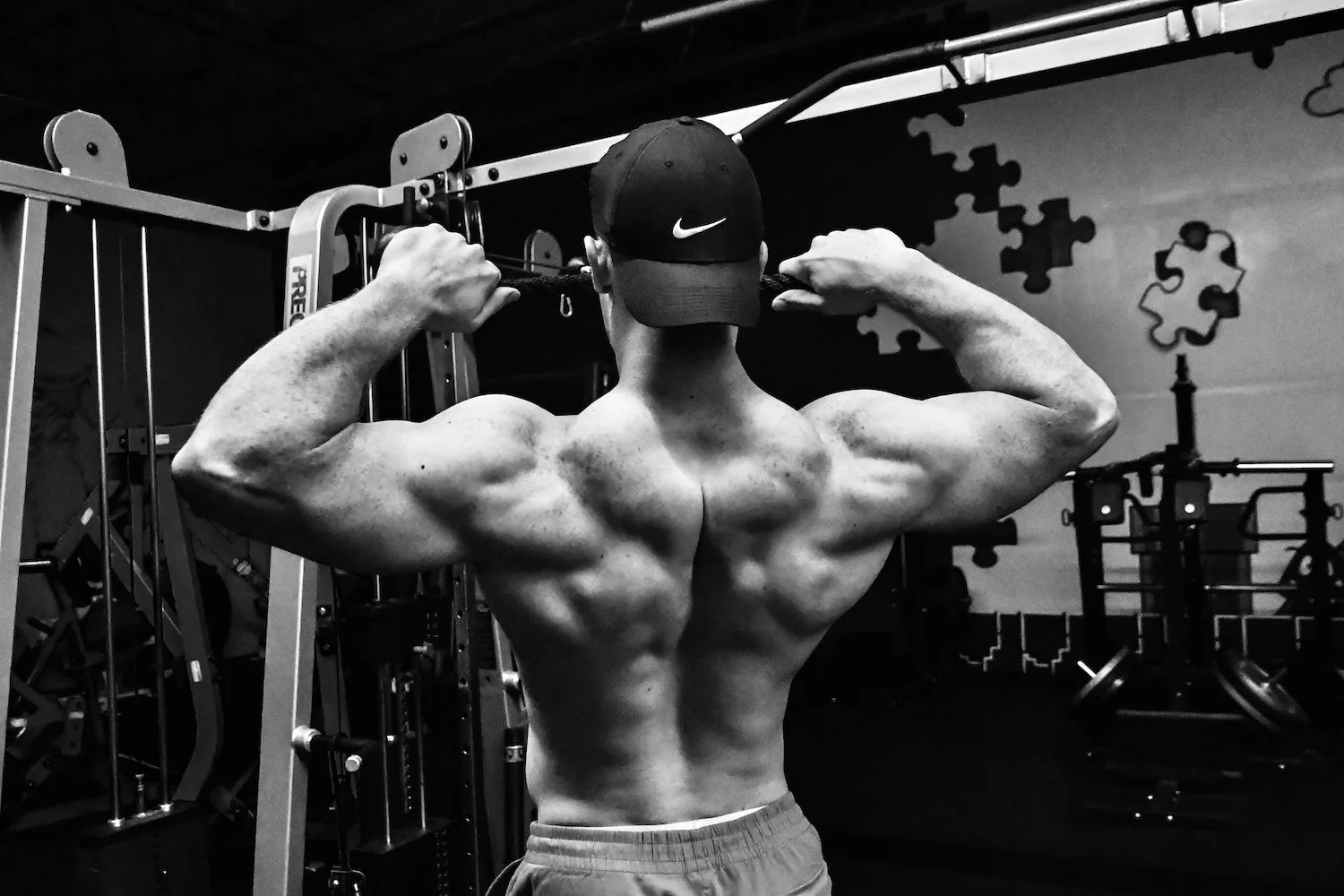
Image: The intersection of biochemical research and physical pursuit defines the RAD 140 conversation.
Real-World RAD 140 Results: What Can You Actually Expect?
Scouring forums and YouTube for SARMs results will yield a wide range of experiences. It’s crucial to filter these through the lens of individual genetics, diet, training intensity, and the alarming prevalence of mislabeled or impure products. So, what kind of results can you expect from RAD-140 based on aggregated user reports?
Reported Positive Outcomes
- Muscle Gain: Users report gaining between 5 to 15 pounds of lean mass during an 8-12 week cycle. RAD 140 bodybuilding forums are filled with claims of "dry," quality gains that enhance muscle density rather than causing watery bloat.
- Strength Increases: One of the most consistent reports is a dramatic surge in strength. Lifts often increase by 10-20% within a few weeks, allowing for more intense training sessions.
- Fat Loss: While not a primary fat burner, RAD 140 appears to have a recomposition effect. Users often notice decreased body fat percentage even while gaining weight, leading to a more shredded look.
- Improved Recovery: Less soreness and an ability to train more frequently are commonly cited benefits.
The Critical Caveats
These RAD 140 results are not guaranteed and come with massive asterisks. A significant portion of users report minimal effects, often due to underdosed or fake products. More importantly, a portion of the weight gain is often water and glycogen. The question of "Are RAD 140 results permanent?" has a sobering answer: without a proper Post Cycle Therapy (PCT) and dedicated post-cycle nutrition and training, a substantial amount of the gained muscle can be lost during the subsequent recovery period when hormones are low.
RAD 140 Results Timeline: From Week 1 to Week 8
Understanding the RAD 140 results timeline helps set realistic expectations. How fast do you see results with RAD-140? Here’s a typical progression based on user logs:
- Weeks 1-2: The "feel" often comes first. Users report a noticeable increase in training aggression, focus, and pumps. Strength may begin to tick upward. Visible physical changes are usually minimal. This is a RAD 140 before and after 1 month starting point.
- Weeks 3-5: This is where results become visible. Strength gains are significant and consistent. Muscle fullness increases, veins become more pronounced, and the scale moves upward. Friends or training partners may start to notice changes.
- Weeks 6-8: Peak effects. Max strength often plateaus or continues to climb slowly. Muscle hardness and vascularity are at their peak. This is also when side effects like suppression, lethargy, or joint dryness can become pronounced. Many wonder how much muscle can you gain on RAD-140 in 8 weeks; realistic, keepable gains for a first-time user are likely in the 5-8 pound range under ideal conditions.
- Post-Cycle: After the last dose, if no PCT is used, strength and energy can crash within 1-2 weeks as suppression takes full effect. This is the most critical period for retaining gains.
Image: A visual representation of a typical cycle timeline, highlighting the peak and potential downturn.
RAD 140 Dosage and Cycle Guidelines: Navigating Uncharted Territory
There is no medically approved RAD 140 dosage. Information is derived solely from the bodybuilding community. Most user cycles fall between 8 to 12 weeks. Common dosages range from 10mg to 30mg per day, with 10-20mg being the most frequent starting point for men. It is strongly advised to start at the lower end (e.g., 10mg) to assess individual tolerance. Higher doses exponentially increase the risk and severity of side effects, particularly RAD 140 testosterone suppression. What is the typical dosage for RAD-140? For a male beginner, 10mg/day for 8 weeks is a common, albeit still risky, protocol. There is no safe or established dosage for women, and its use is generally discouraged due to high virilization risks.
The Dark Side: RAD 140 Side Effects and Health Risks
The pursuit of RAD 140 results cannot be separated from its risk profile. The most common question, is RAD 140 safe for muscle building?, must be answered with a resounding "We do not know for the long term." Here are the documented and reported RAD 140 side effects:
| Risk Category | Specific Side Effects | Notes & Mechanism |
|---|---|---|
| Hormonal | Testosterone suppression, Low libido, Lethargy, Depression | The most universal side effect. RAD 140 signals the body to stop natural testosterone production, potentially causing temporary hypogonadism. This makes PCT after a RAD 140 cycle a near-universal requirement. |
| Cardiovascular | Increased LDL ("bad") cholesterol, Decreased HDL ("good") cholesterol | A serious, under-discussed risk. This atherogenic lipid profile can increase long-term risk of heart disease, even in young, fit individuals. |
| Hepatic (Liver) | Elevated liver enzymes (ALT/AST) | Indicates liver stress. While often less severe than with oral steroids, it necessitates caution, especially for those with pre-existing conditions. |
| Psychological | Irritability, Aggression ("SARM rage"), Mood swings, Insomnia | Likely related to hormonal fluctuations and direct central nervous system effects. |
| Other | Hair shedding (telogen effluvium), Joint dryness, Headaches | Hair loss is not androgenic but linked to the stress of a hormonal cycle. Joint issues may stem from a lack of estrogenic activity. |
When considering what are the most common side effects of RAD-140?, suppression and lipid disturbances top the list. The long-term risks of taking RAD-140 are completely unknown, as no studies have followed users for years.
The Inevitable Crash: RAD 140 Testosterone Suppression and PCT Necessity
Does RAD 140 cause testosterone suppression? Yes, potently and predictably. This is not a maybe; it is the primary mechanism by which it works. By activating androgen receptors, it downregulates the hypothalamic-pituitary-testicular axis (HPTA), slowing or stopping natural testosterone production. This leads to the critical question: Do you need PCT after a RAD-140 cycle? Absolutely. A proper PCT, often involving compounds like Enclomiphene or Tamoxifen (which are prescription medications), is used to restart natural testosterone production. Without it, you risk prolonged low-T symptoms, loss of all gains, and depression. Resources like our PCT Cycle Support Products category highlight the importance of this phase.
RAD 140 vs Ostarine, LGD-4033, and Steroids
How does RAD-140 compare to other options? RAD 140 vs Ostarine is a common query. Ostarine (MK-2866) is generally considered milder, with less potent gains but also a lower incidence of severe suppression. How does RAD-140 compare to LGD-4033? LGD-4033 (Ligandrol) is its closest competitor, often reported to cause more water retention and possibly more mass gain, but with similarly strong suppression. Compared to traditional anabolic steroids, RAD 140 lacks estrogenic side effects (like gynecomastia) but also lacks the decades of (dangerous) human experience that informs steroid user protocols. It is not a "safe steroid."
Is RAD 140 Safe and Legal? The Critical Gray Area
Is RAD 140 safe? For its intended research purposes, under controlled conditions, it has a safety profile. For human consumption by athletes, its safety is unproven and potentially hazardous. Is RAD 140 legal to buy and use? In the United States, RAD 140 is not approved by the FDA for human consumption or as a dietary supplement. It exists in a legal gray area; it is not a controlled substance like steroids, but selling it as a supplement is illegal. The DEA has indicated that some SARMs may meet the definition of an anabolic steroid under the Controlled Substances Act. Purchasing it involves significant risk regarding product purity and origin.
Frequently Asked Questions (FAQ)
What kind of results can you expect from RAD-140?
Based on user reports, expect noticeable gains in lean muscle (5-15 lbs), significant strength increases, improved muscle hardness, and some fat loss over an 8-12 week cycle, provided diet and training are optimal.
How fast do you see results with RAD-140?
Users often "feel" increased aggression and pumps within 1-2 weeks. Visible muscle growth and strength spikes typically become clear around weeks 3-5.
Is RAD 140 safe for muscle building?
There are no long-term human studies to prove its safety. It carries documented risks of testosterone suppression, negative cholesterol changes, and liver strain. It cannot be considered "safe" for this off-label use.
What are the most common side effects of RAD-140?
The most common are testosterone suppression (leading to low libido and fatigue), adverse cholesterol changes, irritability, and insomnia.
Does RAD 140 cause testosterone suppression?
Yes, it is suppressive to natural testosterone production in almost all users. This is a core mechanism of its action, not a rare side effect.
Do you need PCT after a RAD-140 cycle?
Yes, a Post Cycle Therapy protocol is considered essential to help restart natural testosterone production and mitigate the loss of gains post-cycle.
Can women use RAD-140?
It is generally not recommended for women due to the high risk of virilization (development of male characteristics like voice deepening and clitoral enlargement), as it is a potent androgen receptor agonist.
Is RAD 140 a steroid?
No, it is a Selective Androgen Receptor Modulator (SARM). While it targets the same receptors as steroids, it is designed to be more selective in its tissue targeting, though this selectivity is not absolute in humans.
Are RAD 140 results permanent?
No, a significant portion of the gains can be lost after the cycle ends, especially if natural hormone levels are not properly recovered through PCT and diligent post-cycle training and nutrition.
Final Verdict and Responsible Considerations
The pursuit of RAD 140 results is a high-risk gamble with your endocrine and cardiovascular health. The anecdotal benefits of increased muscle and strength are real for many, but they are shadowed by significant, documented downsides and a profound lack of safety data. If you are a fitness enthusiast or bodybuilder considering this path, the most responsible action is to consult with a medical professional who understands sports endocrinology. Comprehensive blood work before, during, and after any cycle is non-negotiable. Understand that the legal and health landscapes are fraught with uncertainty.
For those seeking performance enhancement within a legal framework, exploring legitimate, well-researched supplements and optimizing the fundamentals of training, nutrition, and recovery is always the safer and more sustainable path. If you are researching all options, our blog offers extensive guides, such as our analysis on Testosterone Boosting Exercises and comparisons like SARMs vs. Steroids.
Disclaimer: This article is for informational and educational purposes only. It does not constitute medical advice. RAD-140 is not approved for human consumption or the treatment of any condition. The use of performance-enhancing drugs carries serious health risks. You must consult a licensed medical professional before starting or stopping any medication, therapy, or lifestyle modification. The author and publisher are not responsible for any actions taken based on this content.

Leave a Reply