
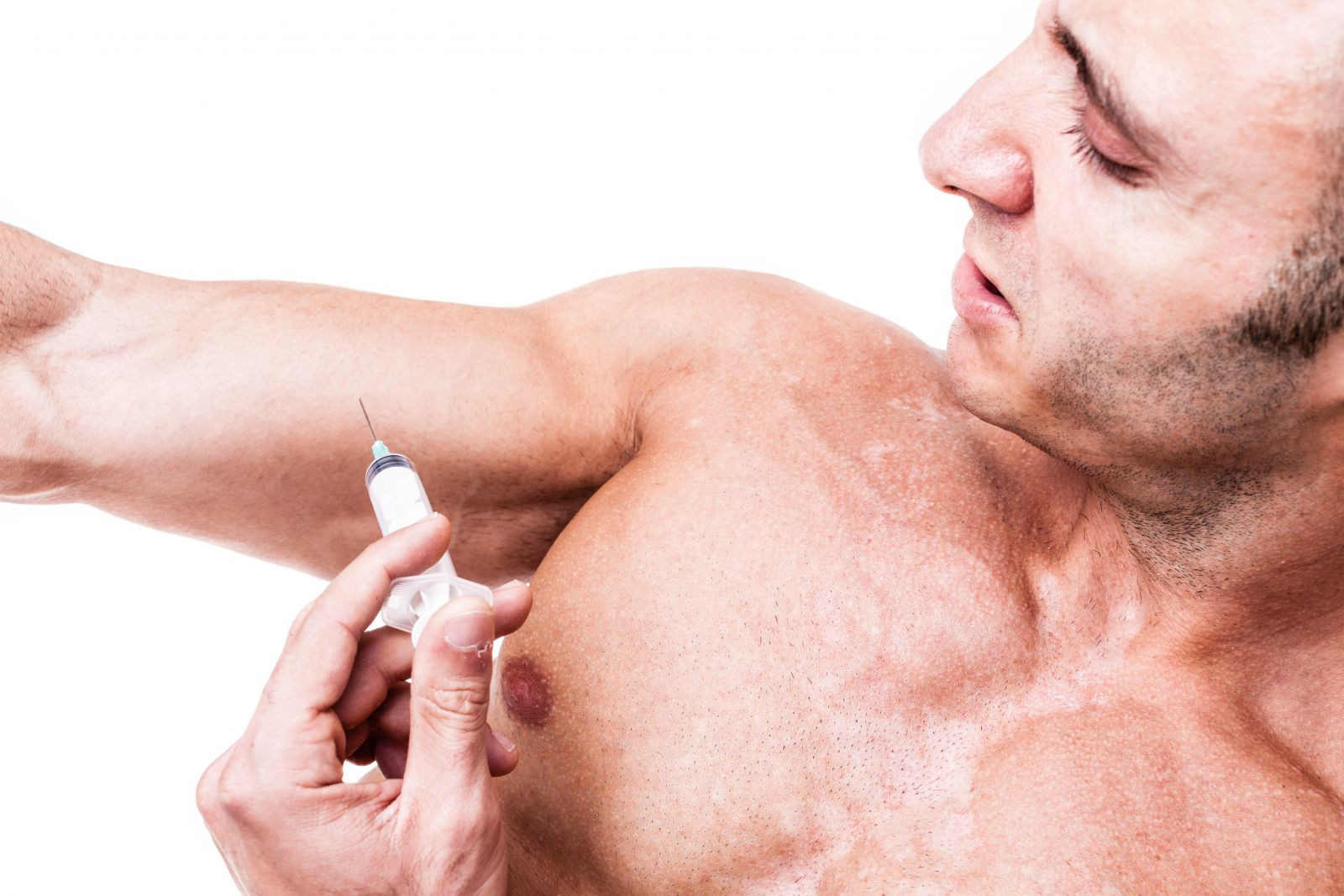
HGH Dosage for Athletes: A Comprehensive Guide to Performance Enhancement and Risk
In the high-stakes world of competitive athletics and bodybuilding, the conversation around Human Growth Hormone (HGH) dosage for athletes is often shrouded in secrecy and misinformation. While a 2008 study in the Annals of Internal Medicine confirmed its efficacy for increasing lean body mass, the line between therapeutic use and performance enhancement is dangerously thin. This guide cuts through the hype to provide a technically accurate, evidence-based exploration of exogenous HGH, its precise application, and the significant consequences of misuse. We will dissect everything from somatropin dosage for fat loss to the severe HGH side effects athletes face, arming you with knowledge far more valuable than any underground protocol.
Table of Contents
- What is HGH and How Does It Work in the Body?
- Medical Use vs. Performance Enhancement: A Fundamental Divide
- The Core of the Matter: HGH Dosage for Athletes and Bodybuilders
- Expected Effects and Realistic HGH Results Timeline
- Significant Health Risks: The Dark Side of HGH
- Legal Status and Sporting Consequences
- Exploring Safer, Legal Alternatives to HGH
- Blood Tests and Health Monitoring
- Frequently Asked Questions (FAQs)
- Conclusion and Final Recommendations
Quick Summary: HGH in Athletics at a Glance
| Aspect | Medical Therapy | Athletic Performance Use |
|---|---|---|
| Primary Goal | Restore physiological deficiency, treat disease | Supraphysiological enhancement of body composition & recovery |
| Typical Dosage Range | 0.2 - 0.5 mg/day (≈ 0.6 - 1.5 IU/day) | 2 - 6+ IU/day, often in cycles |
| Key Risk Profile | Low when dosed correctly for deficiency | High risk of acromegaly-like symptoms, insulin resistance, organomegaly |
| Legal Status (USA) | Legal with prescription for approved conditions | Illegal without prescription; banned by all major sports organizations |
| Time to Noticeable Results | Months for health metrics | Weeks for fat loss, months for tissue changes |
What is HGH and How Does It Work in the Body?
Human Growth Hormone (HGH), or somatropin, is a peptide hormone produced by the pituitary gland. It plays a master regulatory role in growth, cell repair, and metabolism. Its effects are largely mediated by Insulin-like Growth Factor-1 (IGF-1 levels and exercise are closely linked), which is produced in the liver and other tissues in response to HGH stimulation. Think of HGH as the general issuing orders, and IGF-1 as the lieutenant executing them in muscles, bones, and cartilage.
For athletes, the allure lies in these executed orders: enhanced protein synthesis for muscle repair, increased lipolysis (fat breakdown) for energy, and stimulation of collagen synthesis for stronger tendons and ligaments. This is the holy trinity of performance goals: more muscle, less fat, and resilient joints. However, the body's natural release is pulsatile, primarily during deep sleep. Exogenous HGH—injected from a vial—floods the system, creating an unphysiological and continuous signal that the body never evolved to handle long-term.
Medical Use vs. Performance Enhancement: A Fundamental Divide
Understanding this chasm is critical. Legitimate HGH therapy vs performance enhancement is a distinction of intent, dose, and outcome.
Medical Use (Replacement Therapy): Here, HGH is prescribed to correct a documented deficiency, such as in adult Growth Hormone Deficiency (GHD) or pediatric growth disorders. The human growth hormone dosage is titrated to restore normal, youthful physiological levels—often just enough to alleviate symptoms like increased body fat, decreased muscle mass, and low energy. The goal is health normalization, not superhuman capacity.
Performance & Aesthetic Use (Enhancement): Athletes and bodybuilders use HGH to push levels far beyond the body's natural range. The aim is not to fix a deficit but to create a surplus that drives hyper-anabolism and extreme fat loss. This is where the dangerous game with HGH dosage for athletes begins. Doses are often 3 to 10 times higher than replacement doses, venturing into territory where the risk of permanent side effects escalates dramatically.
The Core of the Matter: HGH Dosage for Athletes and Bodybuilders
Let's address the central question everyone searches for: What is the typical HGH dosage for muscle building? It is crucial to state that providing specific, actionable dosing protocols is irresponsible. The following information is presented to illustrate the ranges discussed in medical literature and athletic circles for educational contrast. Actual use requires supervision by an endocrinologist.
Dosing is measured in International Units (IU). Pharmaceutical HGH typically comes in vials labeled with a specific IU count (e.g., 10 IU, 15 IU).
Dosing Tiers and Their Purposes
1. Low Dose (1-2 IU per day): Often considered a "therapeutic plus" or mild enhancement range. Some athletes use this for purported recovery benefits and mild fat loss. It may slightly elevate IGF-1 levels but often stays within a high-normal range. This is sometimes conflated with an anti-aging safe HGH dosage, though even these doses carry risks.
2. Moderate Dose (3-5 IU per day): This is the standard HGH cycle for athletes seeking noticeable changes in body composition. At this range, fat loss (via somatropin dosage for fat loss protocols) becomes significant, and muscle fullness increases due to intracellular hydration and slight growth. This is where the question how much HGH to take for muscle growth is often directed. Significant muscle hyperplasia (new muscle cell creation) is unlikely, but synergy with anabolic steroids can produce dramatic results.
3. High Dose (5-10+ IU per day): This is the territory of professional bodybuilders and extreme athletes. The risks skyrocket. Doses in this range aggressively promote lipolysis and can lead to rapid "shredding," but they also drastically increase the likelihood of HGH side effects athletes fear: severe insulin resistance, carpal tunnel syndrome, and acromegaly features (jaw and bone growth).
Administration and Cycling
How do you administer HGH injections? It is administered via subcutaneous injection, typically into the belly fat. Most users split the daily dose into two injections (morning and post-workout) to mimic natural pulses and manage blood sugar spikes. An HGH cycle for athletes often lasts 3-6 months, though some engage in year-round use. Cycling is meant to manage cost and potentially mitigate receptor desensitization, though the latter is less documented than with anabolic steroids.
Expected Effects and Realistic HGH Results Timeline
Managing expectations is key. HGH is not a magic bullet. How long does it take to see results from HGH? The timeline is gradual.
- Weeks 1-4: Improved sleep quality, increased energy, and slight joint pain/water retention (common initial side effects). Noticeable fat loss has not yet begun.
- Months 1-2: Visible fat loss, particularly around the abdomen, begins. Skin may improve. Muscle recovery between workouts is noticeably faster. This is a key period for HGH for recovery and injury healing benefits.
- Months 3-6: Maximum fat loss effects. Muscles appear fuller and more "round" due to water and slight growth. Combined with AAS, significant lean mass gains are possible. Tendon and ligament strength may improve.
Can HGH improve athletic performance without steroids? The evidence is mixed. It can improve body composition (more muscle, less fat) and recovery, which may indirectly boost performance. However, for raw strength or speed gains, its effect is minimal compared to anabolic steroids. Its true power is unlocked in a "stack."
Significant Health Risks: The Dark Side of HGH
What are the dangers of taking too much HGH? The risks are serious, dose-dependent, and sometimes irreversible. They starkly illustrate why a safe HGH dosage is a medical concept, not a performance one.
| Risk Category | Specific Side Effects |
|---|---|
| Metabolic | Insulin resistance leading to Type 2 diabetes, elevated blood glucose. This is why some ask, Do you need to take insulin or other drugs with an HGH cycle? In high-dose cycles, insulin use becomes a dangerous reality for some to manage blood sugar, adding another layer of risk. |
| Acromegaly-like | Bone growth in hands, feet, and jaw (leading to a coarse facial appearance), organ enlargement (heart, liver, kidneys), thickening of the skin, deepening of the voice. |
| Musculoskeletal | Carpal tunnel syndrome (very common), arthralgia (joint pain), myalgia (muscle pain). |
| Cardiovascular | Hypertension, cardiomyopathy (enlarged heart), increased risk of atherosclerosis. |
| Other | Edema (water retention), increased intracranial pressure, gynecomastia (when combined with other hormones). What are the common side effects of HGH in men vs. women? Men may see more acromegaly symptoms; women are particularly prone to virilization (deep voice, facial hair) if androgens are also used. |
Legal Status and Sporting Consequences
Is HGH legal for athletes in professional sports? Unequivocally, no. HGH is a banned substance on the World Anti-Doping Agency (WADA) list and by every major professional sports league (NFL, MLB, NBA, UFC, etc.). It is a Schedule III controlled substance in the United States under the Anabolic Steroids Control Act. Possession without a valid prescription is a felony.
Beyond legality, the issue of buy HGH online presents massive safety risks. The black market is flooded with counterfeit products. What is the difference between pharma-grade and generic HGH? Pharma-grade (e.g., Genotropin, Humatrope) is produced under strict FDA oversight, ensuring purity and accurate dosing. "Generic" or underground lab HGH can be under-dosed, contaminated with bacteria, or contain entirely different, harmful peptides. The financial cost is also staggering, with a single HGH cycle for athletes costing thousands of dollars for authentic product.
Exploring Safer, Legal Alternatives to HGH
For those seeking similar benefits without the legal and health peril, several avenues exist. The market for legal alternatives to HGH and peptides for growth hormone secretion has exploded.
| Alternative | Purpose / Claimed Mechanism | Notes |
|---|---|---|
| Growth Hormone Secretagogues (GHS) like GHRP-2, GHRP-6, Ipamorelin, CJC-1295 | Stimulate the pituitary gland to release its own natural, pulsatile GH. Considered a more physiological approach. | Often sold as peptides for growth hormone. Ipamorelin is favored for its lower hunger and cortisol side effects. Requires research and a reliable source. |
| Selective Androgen Receptor Modulators (SARMs) | Provide anabolic muscle-building effects with (theoretically) fewer androgenic side effects than steroids. | Popular in fitness circles but exist in a legal gray area and carry their own endocrine disruption risks. |
| Natural Lifestyle Optimization | Maximize natural GH production through deep sleep, intermittent fasting, high-intensity exercise, and specific amino acids (Arginine, Glutamine). | The safest and most sustainable foundation. No legal or health risks, but results are modest compared to pharmaceuticals. |
Blood Tests and Health Monitoring
If an individual, under medical supervision, is using HGH, rigorous monitoring is non-negotiable. What blood tests should you monitor while on HGH? A comprehensive panel should include:
- IGF-1 Levels: The primary marker for HGH activity. Indicates whether dose is within physiological or supraphysiological range.
- Fasting Glucose & HbA1c: To monitor for insulin resistance and diabetes onset.
- Thyroid Panel (TSH, Free T3, Free T4): HGH can impact thyroid hormone conversion.
- Lipid Profile: To monitor cholesterol changes.
- Liver & Kidney Enzymes: To assess strain on these organs from potential organomegaly or other factors.
Frequently Asked Questions (FAQs)
What is the typical HGH dosage for muscle building?
In performance contexts, doses for noticeable muscle tissue changes often range from 3-6 IU per day, almost always combined with anabolic steroids. Muscle gain from HGH alone is slow and subtle.
How does HGH dosage for anti-aging differ from athletic use?
Anti-aging or "age management" clinics typically prescribe very low doses (1-2 IU/day) aimed at restoring youthful levels. Athletic use employs much higher doses (3-10+ IU/day) intended to create supraphysiological levels for drastic body recomposition.
What are the dangers of taking too much HGH?
The primary dangers include irreversible acromegaly (bone and organ growth), severe insulin resistance leading to diabetes, cardiomyopathy, and joint disorders like carpal tunnel syndrome.
How long does it take to see results from HGH?
Fat loss effects can be noticed within 4-8 weeks. Any meaningful changes in muscle tissue or connective strength require 3-6 months of consistent use.
Is HGH legal for athletes in professional sports?
No. HGH is strictly banned by WADA and all major professional sports leagues. It is also a controlled substance, making non-prescribed possession illegal.
Can HGH improve athletic performance without steroids?
It can improve recovery, fat loss, and possibly injury healing, which may indirectly benefit performance. However, for direct strength, power, or speed gains, its effect is minimal compared to anabolic steroids.
What are the common side effects of HGH in men vs. women?
Common to both are water retention, joint pain, and insulin issues. Men are more prone to acromegaly symptoms. Women risk virilization (masculinization) if androgens are also used.
How do you administer HGH injections?
It is administered via subcutaneous injection, typically with an insulin syringe into the fatty tissue of the abdomen, thighs, or triceps.
What is the cost of an HGH cycle for athletes?
For pharma-grade HGH, a 6-month cycle at 4 IU/day can cost between $3,000 and $8,000 or more, depending on the brand and source.
Are there any legal, over-the-counter alternatives to HGH?
While no OTC product can replicate HGH, secretagogue peptides (like Ipamorelin) may be available for research. Natural boosters focus on sleep, diet, and exercise to optimize your own production.
How does HGH work for fat loss and "shredding"?
HGH enhances lipolysis, the breakdown of stored fat for energy. It particularly targets visceral fat (belly fat), leading to a leaner, more "shredded" appearance, especially when diet is controlled.
What blood tests should you monitor while on HGH?
Essential tests include IGF-1 (activity marker), fasting glucose/HbA1c (for diabetes risk), a full thyroid panel, and comprehensive metabolic & lipid panels.
Can HGH help with injury recovery and tendon strength?
Yes, by stimulating collagen synthesis, HGH can theoretically improve tendon, ligament, and cartilage repair. This is a key reason athletes use it for HGH for recovery and injury healing, though evidence is more anecdotal than robust.
What is the difference between pharma-grade and generic HGH?
Pharma-grade is FDA-approved, sterile, and accurately dosed. "Generic" black-market HGH is unregulated, risking contamination, incorrect dosing, and fraud.
Do you need to take insulin or other drugs with an HGH cycle?
At high performance doses, significant insulin resistance can develop. Some bodybuilders introduce exogenous insulin to manage blood sugar and for its anabolic effects, a extremely dangerous practice that can lead to hypoglycemic coma or death.
Conclusion and Final Recommendations
The pursuit of the ideal HGH dosage for athletes is a journey fraught with significant medical, legal, and ethical pitfalls. While the compound offers powerful effects on body composition and recovery, the dosages required to achieve the coveted "game-changing" results live squarely in a zone of high risk. The potential for irreversible health damage, coupled with strict legal prohibitions and the prevalence of dangerous counterfeit products, creates a scenario where the cost often far outweighs the benefit.
For the performance-focused athlete, a more prudent path lies in exhaustive optimization of natural training, nutrition, and recovery protocols. For those still drawn to pharmacological enhancement, exploring the realm of peptides for growth hormone secretion under medical guidance presents a potentially safer, more physiological alternative than direct HGH injection, though it is not without its own complexities and legal nuances.
Ultimately, informed consent is everything. This guide has aimed to provide that information—the stark realities behind the allure. The decision to use any performance-enhancing substance is deeply personal, but it must be grounded in a clear-eyed understanding of potential outcomes, both positive and catastrophic.
Disclaimer & Recommended Resources
This article is for informational purposes only. It does not constitute medical advice. Consult a licensed medical professional (e.g., an endocrinologist) before starting or stopping any medication, therapy, or supplementation. The use of HGH for performance enhancement without a prescription is illegal in the United States and banned by all major sports organizations.
For those seeking to deepen their research from authoritative sources, we recommend reviewing publications from the Endocrine Society and studies available on the National Institutes of Health's PubMed database. These resources provide the scientific foundation that all personal decisions should be based upon.
If you are interested in exploring supportive products for your fitness journey, from cycle support to other categories, you can browse our full range. Remember, knowledge and safety must always come first.
Explore All Categories | Research Peptides | Learn More About HGH


Leave a Reply