
Peptides vs Protein for Muscle Growth: The Ultimate Scientific Breakdown
You’re in the gym, pushing hard, feeding your body with what feels like gallons of protein shakes. You hear whispers in the locker room about secret weapons, about peptides that can supposedly unlock new levels of muscle growth and muscle recovery. The confusion is real. Is it just hype, or is there a fundamental scientific edge? The truth is, understanding the battle of peptides vs protein for muscle growth is not about choosing one over the other. It’s about understanding their distinct roles in the biological orchestra of building a stronger you. This guide cuts through the marketing fog with science-backed clarity, explaining everything from basic chemistry to practical application so you can optimize your approach based on your goals.
Table of Contents
- The Foundation: Amino Acids, Peptides, and Proteins
- Protein’s Role: The Fundamental Builder
- Peptides’ Role: The Specialized Signalers
- Direct Comparison: Mechanisms, Sources, and Timing
- The Practical Guide: Which One Is For You?
- Risks, Legality, and Critical Considerations
- Frequently Asked Questions (FAQs)
- Final Verdict and Recommended Path
The Foundation: Amino Acids, Peptides, and Proteins
Imagine you're building a skyscraper. Amino acids are the individual bricks. Link a few bricks together in a short chain, and you have a prefabricated wall panel that's a peptide. Take thousands of bricks and assemble them into a complex, multi-story structure with specific functions, and you have a protein. This is the core hierarchical relationship.
Chemically, a peptide is a short chain of amino acids, typically between 2 and 50, linked by peptide bonds. Once a chain grows longer than about 50 amino acids and folds into a complex three-dimensional structure, it is classified as a protein. Proteins like whey, casein, or the myosin in your muscles are massive, intricate machines. Peptides, due to their smaller size, are often bioavailable and can act as precise signaling molecules in the body.
Dr. Elena Martinez, a sports biochemist, clarifies: "Think of proteins as the lumber and drywall to construct a house. They provide the bulk material. Peptides, on the other hand, are like the architects' blueprints and the foreman's shouted instructions. They don't become the structure itself; they direct how, when, and where the structure gets built." This distinction is the master key to understanding the debate of peptides vs protein for muscle growth.
The Chemical Family Tree
- Amino Acids (20 standard types): The indivisible building blocks (e.g., Leucine, Glutamine).
- Peptides (Oligopeptides, Polypeptides): Short chains of amino acids (e.g., BPC-157, Ipamorelin, collagen peptides).
- Proteins: Long, folded chains of amino acids performing diverse functions (e.g., Enzymes, Hormones, Muscle Fibers like Actin and Myosin).
Protein’s Role: The Fundamental Builder
Protein is non-negotiable for anyone serious about building muscle. Its primary mechanism is straightforward but profound: it provides the essential amino acids required for protein synthesis, the process of repairing and building new muscle proteins damaged during exercise.
The mechanism is nutrient-driven. Resistance training creates micro-tears in muscle fibers. In response, your body initiates muscle protein synthesis (MPS). To maximize MPS, you need a sufficient supply of all essential amino acids, particularly leucine, which acts as a key trigger. Consuming protein from food or supplements floods your bloodstream with these aminos, creating a positive net protein balance where synthesis outpaces breakdown. Over time, this leads to muscle growth.
Best Sources of Protein for Muscle Growth
Your diet should be the first and primary source. High-quality, complete protein sources include:
- Animal-based: Chicken breast, lean beef, eggs, fish, dairy (whey and casein).
- Plant-based: Soy, quinoa, lentils, and carefully combined sources like rice and beans.
- Protein Supplements: Whey protein (fast-absorbing, ideal post-workout), Casein protein (slow-absorbing, good for nighttime), and plant-based blends. Hydrolyzed protein is pre-broken into smaller peptides for slightly faster absorption.
A landmark 2018 meta-analysis in the British Journal of Sports Medicine concluded that protein supplementation significantly increases muscle strength and size during prolonged resistance training, with intakes up to 1.6g per kg of body weight being beneficial for athletes. This is the bedrock upon which all muscle-building strategies are built.
Peptides’ Role: The Specialized Signalers
While protein provides the building blocks, certain peptides influence the construction site itself. They work primarily as signaling molecules, binding to specific receptors on cells to trigger a cascade of effects. In the context of fitness, these effects can be anabolic (building), reparative, or regulatory.
Unlike dietary protein, most performance-oriented peptide supplements are not consumed for their amino acid content. You take a tiny amount of a specific peptide sequence to elicit a very specific biological response.
How Do Peptides Work to Build Muscle?
They operate through several sophisticated pathways:
- Growth Hormone Secretagogues: Peptides like GHRP-2, GHRP-6, Ipamorelin, and CJC-1295 stimulate the pituitary gland to release more of your body's own growth hormone (GH). Increased GH can enhance fat loss, improve recovery, and support muscle growth indirectly by boosting IGF-1 production.
- Enhanced Recovery and Repair: BPC-157 is renowned for its potent healing properties. It accelerates the repair of soft tissue, tendons, and ligaments. While not directly anabolic, faster recovery means you can train harder and more frequently, leading to better long-term muscle growth.
- Local Growth Factors: Peptides like IGF-1 LR3 or Frag (176-191) mimic insulin-like growth factors or target fat receptors, aiming to promote localized growth or fat burning.
Collagen peptides, a popular oral supplement, serve a different but related purpose. They provide a high concentration of specific aminos (glycine, proline, hydroxyproline) that are the primary components of connective tissue. Studies, such as one published in the Journal of the International Society of Sports Nutrition (2019), show that collagen peptides supplementation can reduce joint pain and potentially stimulate the body's own collagen synthesis, supporting joint health and injury prevention critical for consistent training. However, they are not a primary driver of skeletal muscle growth like whey protein.
Direct Comparison: Mechanisms, Sources, and Timing
Let's put them side by side. The confusion in peptides vs protein for muscle growth often stems from not seeing them as teammates with different positions.
| Aspect | Protein | Peptides (Fitness-Oriented) |
|---|---|---|
| Primary Role | Substrate Provider. Supplies raw materials (amino acids) for muscle protein synthesis. | Signaling Messenger. Triggers specific hormonal or repair pathways (e.g., GH release, tissue healing). |
| Mechanism for Muscle Growth | Direct. Increases amino acid availability to elevate MPS rates after training. | Indirect. Stimulates anabolic hormone production, enhances recovery, or improves nutrient partitioning. |
| Common Sources | Food (chicken, eggs), protein powder (whey, casein), hydrolyzed protein. | Specialized peptide supplements (often injectable, some oral like collagen peptides). Not typically found in sufficient amounts in whole food for these effects. |
| Bioavailability | Must be digested into amino acids and di/tri-peptides for absorption. Speed varies by type. | Often designed for high bioavailability. Many are injected to avoid digestive breakdown and reach target receptors intact. |
| Key Benefit | Absolutely essential. Provides the physical bricks for muscle. No alternative. | Potential for targeted, enhanced outcomes beyond foundational nutrition (e.g., superior recovery, elevated GH). |
| Analogy | Construction Materials (Bricks, Lumber) | Architect's Plans & Foreman's Commands |
Can You Get Peptides from Food?
Some peptides are found in food, like the casomorphins in dairy or gluten exorphins in wheat, but these are not the performance-enhancing sequences discussed here. Collagen peptides are derived from animal connective tissue. However, the synthetic peptides used for fitness (like BPC-157 or Ipamorelin) are pharmaceutical-grade compounds produced in labs. You cannot eat chicken and get Ipamorelin.
The Practical Guide: Which One Is For You?
Your choice isn't really "protein OR peptides." It's "master protein first, then consider if peptides address a specific advanced need."
For Beginners & Intermediate Gym-Goers: Master the Foundation
If you are still figuring out your daily protein intake, workout consistency, and recovery sleep, peptides are a distraction, potentially a dangerous and expensive one. Your entire focus should be:
- Hitting 1.6-2.2g of protein per kg of body weight daily from high-quality sources.
- Consuming a protein shake or meal within the post-workout window to maximize protein synthesis.
- Prioritizing sleep and overall calorie/macronutrient balance.
Should a beginner focus on peptides or master protein intake first? The answer is unequivocally master protein intake. It is the most impactful lever you can pull.
For Advanced Athletes & Bodybuilders: Strategic Enhancement
Once your nutrition, training, and recovery are dialed in to 90-95% efficiency, peptides might be explored for that final edge. Their use is situational:
- Goal: Enhanced Recovery from Injury or Overtraining: BPC-157 and TB-500 are heavily researched for healing.
- Goal: Improve Sleep Quality & Natural GH Output: Ipamorelin or DSIP might be considered.
- Goal: Support Joint Health for Heavy Lifting: Oral collagen peptides (10-15g daily) are a safe and well-researched addition.
Can peptides replace protein shakes? Absolutely not. They serve entirely different functions. You would still need your full protein intake even on a peptide protocol.

Risks, Legality, and Critical Considerations
The world of peptide supplements is the modern wild west. The risks are significantly higher than with dietary protein.
| Risk Category | Protein (Food/Supplements) | Peptide Supplements |
|---|---|---|
| Health & Side Effects | Minimal at recommended intakes. Possible digestive discomfort, kidney strain only in pre-existing conditions with very high intake. | Poorly studied long-term effects. Potential for hormonal disruption, increased insulin resistance, joint pain, water retention, and site injection reactions. Side effects are dose and compound-dependent. |
| Purity & Sourcing | Highly regulated (food) or common (reputable supplement brands). Third-party testing is widespread. | Extremely murky. Many peptides are sold for "research purposes only" from unregulated labs, leading to risks of contamination, mislabeling, and under/over-dosing. |
| Legal & Sports Status | Legal worldwide. Not banned by any sports agency. | Legal gray area. Many are prescription-only medicines but sold as research chemicals. Are peptides legal in professional sports or bodybuilding? Most are explicitly banned by WADA (World Anti-Doping Agency) and sports federations. |
| Medical Oversight | Generally not required. | Strongly advised. A doctor should supervise use, monitor bloodwork, and ensure correct sourcing. |
Peptides vs. SARMs vs. Steroids
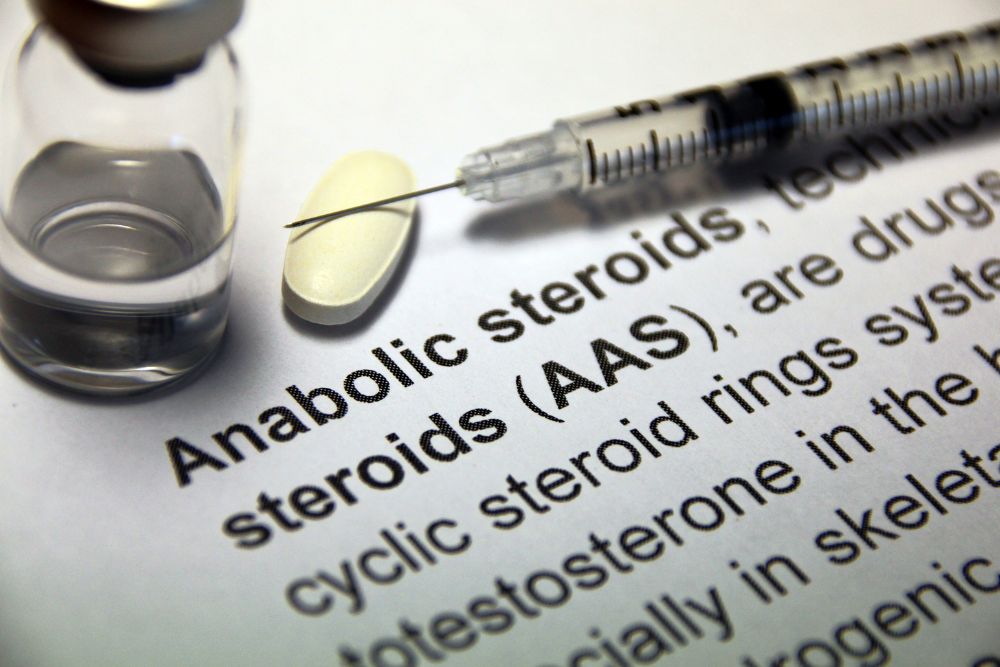
This is a common point of confusion. SARMs (Selective Androgen Receptor Modulators) and anabolic steroids are hormonally active compounds that directly bind to androgen receptors, powerfully and directly driving muscle growth. Peptides are generally not androgenic; they work through other signaling pathways (like GH). All three categories are banned in competitive sports and carry significant health risks, with steroids and SARMs often having more pronounced androgenic side effects.
Important Disclaimer: This article is for informational and educational purposes only. It does not constitute medical advice. The discussion of peptides involves compounds that are often prescription pharmaceuticals with potential health risks. You must consult a licensed healthcare professional before starting, stopping, or modifying any diet, supplement, or therapeutic regimen. The author and publisher are not responsible for any actions taken based on this information.
Frequently Asked Questions (FAQs)
What is the main difference between a peptide and a protein?
The main difference is size and structural complexity. A peptide is a short chain of amino acids (typically under 50), while a protein is a long, folded chain that forms a complex, functional structure. All proteins are made of peptides, but not all peptides are large enough to be proteins.
Are peptides better for muscle growth than protein?
No, they are not "better," they are different. Protein is essential and fundamental for muscle growth as it provides the building blocks. Peptides can be complementary, potentially enhancing the environment for growth (e.g., via increased GH) or improving recovery. They are not a substitute for adequate protein intake.
How do peptides work to build muscle?
Most fitness peptides work indirectly as signaling molecules. For example, growth hormone secretagogues like Ipamorelin stimulate your pituitary gland to release more growth hormone, which can support fat loss and anabolic conditions. Others, like BPC-157, enhance tissue repair, allowing for more frequent and intense training.
Can you get peptides from food, or are they only supplements?
Some bioactive peptides exist in food (like milk-derived peptides), but the specific, potent sequences used for fitness and therapeutic purposes (e.g., BPC-157, CJC-1295) are synthesized in laboratories and obtained as specialized peptide supplements.
What is the connection between amino acids, peptides, and proteins?
They form a building hierarchy. Amino acids are the individual units. When linked by peptide bonds, they form peptides. When a peptide chain becomes long and folds into a specific 3D shape, it becomes a functional protein.
Are collagen peptides good for building muscle?
Collagen peptides are excellent for supporting joint, tendon, and ligament health due to their specific amino acid profile. This can prevent injuries and support consistent training, which indirectly aids long-term muscle growth. However, they are not a complete protein and are poor for directly stimulating skeletal muscle protein synthesis compared to whey or egg protein.
Is hydrolyzed protein powder the same as peptides?
Hydrolyzed protein is protein that has been pre-broken down into smaller peptide chains and free amino acids for faster absorption. It contains a mixture of peptides, but these are not the same as the specific, synthetically designed signaling peptides (like Ipamorelin) used for their hormonal effects.
Do peptides help with muscle recovery faster than protein?
Certain peptides, particularly BPC-157 and TB-500, have strong research backing for accelerating the healing of soft tissue injuries, which may lead to faster recovery from specific strains or tears. For general muscular soreness (DOMS), adequate dietary protein and overall nutrition are the primary drivers of muscle recovery.
Final Verdict and Recommended Path
The journey of peptides vs protein for muscle growth ends with a clear verdict: they are collaborators, not competitors. Protein is the indispensable foundation. Without sufficient high-quality protein, no amount of advanced supplementation will yield optimal results. Peptides represent a frontier of targeted, sophisticated intervention for advanced athletes who have already maximized their foundational practices.
For 95% of fitness enthusiasts, the most powerful and safest strategy is to relentlessly optimize protein intake, training programming, and recovery protocols. If you are in the advanced 5% considering peptides, proceed with extreme caution: prioritize medical guidance, source from reputable suppliers (understanding the legal risks), and have a clear, specific goal that justifies the potential cost and risk.
Ready to Optimize Your Foundation?
Before exploring advanced compounds, ensure your nutritional base is unshakable. Explore our curated selection of high-quality, third-party tested protein powders and foundational supplements designed to support your muscle growth and recovery goals safely and effectively.

Leave a Reply