
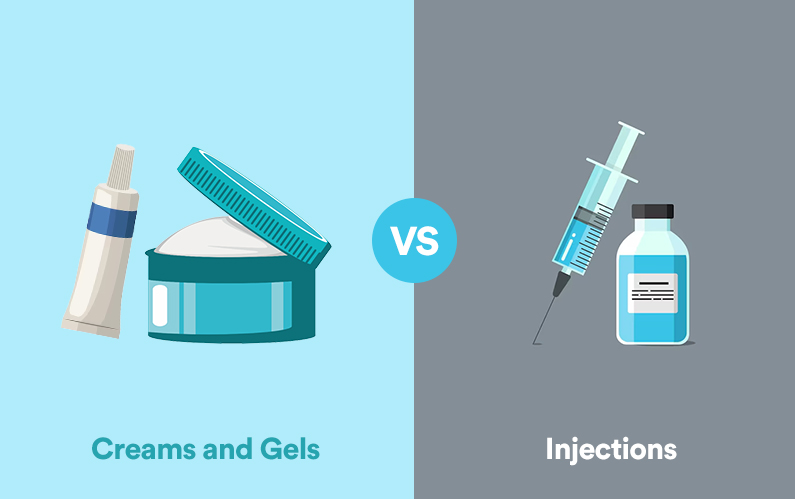
Injectable vs Topical Testosterone: The Ultimate TRT Showdown for 2026
Injectable vs Topical Testosterone: Which TRT Method Wins?
If you are one of the millions of men diagnosed with Low T (hypogonadism), you are likely standing at a crossroads. Your doctor has given you the green light for testosterone replacement therapy, but now comes the million dollar question: Should you choose the needle or the gel? According to a 2024 report from the Grand View Analysis on hormone replacement, over 70% of men initially prescribed topical testosterone switch to injections within the first two years, primarily due to cost and perceived lack of efficacy. This is the definitive guide to the injectable vs topical testosterone debate, designed to help you navigate this very personal decision with clarity and confidence.
Table of Contents
- Quick Comparison: Shots vs. Gels
- The Science: Pharmacokinetics & Bioavailability
- Deep Dive: Injectable Testosterone (Cypionate & Enanthate)
- Deep Dive: Topical Testosterone (Gels, Creams & Solutions)
- Head to Head: Side Effects & Risk Comparison
- The Cost Factor: Why Price Matters
- Switching Methods: From Gel to Shots and Vice Versa
- Frequently Asked Questions
- Resources & Professional Guidance
Quick Comparison: Injectable vs Topical Testosterone at a Glance
| Feature | Injectable (Cypionate/Enanthate) | Topical (Gels/Creams/Solutions) |
|---|---|---|
| Effectiveness | "Gold Standard"; 100% bioavailability; highly predictable. | Variable absorption (9% 14%); depends on skin permeability. |
| Hormone Levels | Peaks and troughs (depending on injection frequency). | Steady, daily levels mimicking natural circadian rhythm. |
| Convenience | Intermittent (weekly/biweekly); requires injection time. | Daily application; requires drying time and hygiene steps. |
| Key Side Effects | Erythrocytosis (high hematocrit), injection site pain. | Skin irritation, risk of testosterone transference to others. |
| Cost | Low (Generic vials are inexpensive). | Moderate to High (Brand names are costly; generics are cheaper). |
| Hair Loss Risk | Moderate (due to hormone fluctuation). | Potentially higher due to high DHT conversion in skin. |
The Science: How Your Body Handles Testosterone
Understanding the injectable vs topical testosterone debate starts with a simple concept: how the hormone enters your bloodstream. Think of your skin as a bouncer at an exclusive club. Topical testosterone (gels like Androgel, Testim, or Axiron) has to convince that bouncer to let it in. It's a tedious process. The alcohol based gels dry quickly, but only a small fraction of the hormone actually penetrates the skin barrier. Studies from the FDA indicate that absorption rates for these topicals can range from as low as 9% to 14%, meaning a significant portion of the medication is wasted or washed off. This leads to variable blood levels, a common frustration for men on gels.
On the other hand, injectable testosterone (using esters like testosterone cypionate or testosterone enanthate) bypasses the bouncer entirely. It's delivered via an intramuscular injection (or increasingly, a shallow subcutaneous injection) directly into the muscle tissue, where it forms a depot. From this depot, the testosterone ester is slowly released into the bloodstream over days. Because it bypasses the skin and digestive system, its bioavailability is essentially 100%. This is the primary reason why endocrinologists often refer to injections as the "gold standard" of testosterone replacement therapy. As Dr. Abraham Morgentaler, a leading expert in men's health, states, "Injections provide the most reliable and predictable increase in serum testosterone levels."
Deep Dive: Injectable Testosterone (The Power of the Peak)
For many men, the thought of injecting themselves is the biggest hurdle. But for those who overcome it, injections offer a level of control and efficacy that is hard to match. Let's break down the nuances.
Efficacy and Hormone Levels
When you inject testosterone cypionate or enanthate, you are playing a game of peaks and valleys. After an intramuscular injection, your testosterone levels spike dramatically within 24 to 48 hours. This is the "peak." Over the following days, levels slowly descend until your next injection. For some men, this peak mimics the natural morning surge of testosterone, leading to a few days of heightened energy and libido. However, if you are someone who is sensitive to hormonal shifts, this fluctuation can lead to mood swings or a noticeable dip in energy right before your next shot is due. This is why many clinics are now moving towards more frequent injections (e.g., twice a week) or subcutaneous injection protocols using small insulin needles to create a smoother curve.
Side Effects Specific to Injections
The power of the peak comes with specific risks. The most clinically significant is erythrocytosis, an increase in red blood cell count (measured as hematocrit). Because injections deliver a high bolus of testosterone, they stimulate the bone marrow to produce more red blood cells. While this can improve oxygen delivery (helpful for athletes), it can also thicken the blood, increasing the risk of cardiovascular events. A 2023 study in the Journal of Clinical Endocrinology & Metabolism reinforced that men on injectables require more frequent monitoring of their hematocrit and often need to donate blood to manage it.
Other side effects can include acne, particularly on the back and shoulders, due to the spike in hormones. And while many fear the pain, modern techniques using small gauge needles (27G 29G) for subcutaneous injection into belly fat are far less intimidating than the old school harpoon like thigh injections. As one patient in a TRT forum noted, "I was terrified of needles, but doing SubQ with an insulin pin is easier than pricking my finger for a glucose test."
Lifestyle Implications
Injections win the lifestyle award for "set it and forget it." You are not tied to a daily ritual. Once a week (or once every two weeks), you take 10 minutes to draw up the oil and administer the shot. There is no fear of transferring the hormone to your partner or children, no waiting for the gel to dry before getting dressed, and no sticky residue. However, you do have to manage sharp medical waste, which means buying a sharps container and disposing of it properly. For the fitness enthusiast, injections are the undisputed champion. The ability to control dosage precisely and the 100% bioavailability make it the preferred method for those looking for significant body composition changes, though it's crucial to remember that using supraphysiological doses is illegal without a prescription and carries serious health risks.

Deep Dive: Topical Testosterone (The Daily Ritual)
Topicals are often the first line of defense prescribed by doctors because they are non invasive and appeal to those with trypanophobia (fear of needles). But the convenience of "no needles" is often replaced by the inconvenience of "daily vigilance."
Efficacy and the Absorption Variable
The biggest challenge with topical testosterone is predictability. Your skin is a living organ, and its permeability changes based on temperature, hygiene, and even the time of day. You might apply the same amount of Androgel for a month and see your blood work fluctuate because you were sweating more one week or you applied it after a hot shower (which opens pores). Furthermore, a percentage of the drug is always left on the skin's surface, which is why testosterone transference is such a massive concern. While it raises levels effectively for many men, a subset of the population are "poor absorbers" and simply cannot achieve therapeutic levels with topicals, no matter how high the dose. This is a primary driver in the decision to switch from gel to shots.
Side Effects: Skin and Scares
Besides the systemic risks common to all TRT (like sleep apnea or gynecomastia), topicals have two unique downsides. First, skin irritation. The alcohol based vehicles can cause redness, itching, and a rash. This is not just annoying; it can also further inhibit absorption if the skin becomes damaged. Second, and most alarmingly, is the risk of testosterone transference. This is the stuff of nightmares for partners. If your wife or child comes into direct skin to skin contact with the application site (your shoulder, arm, or armpit), they can absorb the testosterone. In women, this can cause irreversible virilization (facial hair growth, deepening of the voice). In children, it can trigger premature puberty. This requires strict adherence to hygiene: washing hands immediately, covering the site with clothing, and potentially showering before intimate contact.
Lifestyle: The Daily Grind
Topicals demand discipline. You have to apply them at the same time every day (usually in the morning). You have to wait for them to dry completely before putting on a shirt to avoid wiping it off. You cannot shower or swim for several hours after application. And you have to be hyper aware of who you touch. For single men living alone, this is manageable. For a father with young kids who wants to wrestle on the floor after work, or a husband who enjoys spontaneous intimacy with his wife, the gel can become a barrier to connection. The constant worry of "Did I just contaminate her?" is a real psychological burden.
Head to Head: Side Effects & Risk Comparison
To make the choice clearer, let's look at how the risks stack up against each other.
| Risk Category | Injectable Testosterone | Topical Testosterone |
|---|---|---|
| Cardiovascular/Hematologic | Higher risk of erythrocytosis (elevated hematocrit) due to high peaks. Requires regular blood donation/monitoring. | Lower risk of erythrocytosis due to steady, lower dose absorption. |
| Dermatological | Injection site pain, soreness, or rare infection (if poor technique). | High incidence of application site skin irritation (rash, itching, dryness). |
| Hormonal Fluctuation | Potential for mood swings, libido spikes/troughs, and estrogen conversion (aromatization) at peak. | Stable daily levels lead to consistent mood and libido for most. |
| Androgenic (Hair/Acne) | Acne can be pronounced due to peaks. Hair loss varies by genetics. | High conversion to DHT in the skin can potentially accelerate male pattern baldness more aggressively. |
| Secondary Exposure | Zero risk of testosterone transference. | High risk of transference to partners/children. Strict hygiene is mandatory. |
| Medical Monitoring | Frequent blood tests needed to manage peaks and hematocrit. | Frequent blood tests needed to verify absorption levels are adequate. |
The Cost Factor: Why Price Matters
Let's talk dollars and cents. This is often the tipping point in the injectable vs topical testosterone decision. Testosterone cypionate and enanthate are some of the oldest and most widely available generic drugs on the market. A 10ml vial of 200mg/ml testosterone can cost as little as $40 to $60 without insurance, and with a coupon like GoodRx, it can drop even lower. That vial can last you 2.5 to 3 months depending on your dose. We're talking about potentially $20 to $30 per month.
Topicals, on the other hand, are a different beast. Brand name gels like Androgel or Axiron can retail for $500 to $800 per month without insurance. While the introduction of generic topical testosterone has driven prices down significantly, they are still often double or triple the cost of injections. Insurance formularies are also catching on; many PBM's now require prior authorization for brand name gels, pushing patients towards the more cost effective injectables or generic versions. If you are paying out of pocket, the financial argument for injections is overwhelming.
Switching Methods: From Gel to Shots and Vice Versa
It is entirely possible to switch, and many men do. The most common narrative is the frustrated gel user who is tired of the daily ritual, worried about testosterone transference, and skeptical of the results. "I was on the gel for six months," shares Mark, a 45 year old engineer from Texas. "My levels barely budged, and I was a nervous wreck worrying my wife would get exposed. Switching to injections was the best decision I made. My levels are finally in the 700s and I feel human again."
Switching from injectable testosterone to gels is less common, but it happens. This usually occurs when a patient develops severe erythrocytosis that cannot be managed by blood donation, or if they experience drastic mood swings from the peaks and troughs. If you are considering a switch, do not just stop one and start the other. Your doctor will likely have a protocol, sometimes involving a "washout" period or a specific transition plan to ensure your levels remain stable and you don't crash your system. It's also a prime time to discuss adding HCG with TRT if fertility is a concern, as both methods can suppress natural production.
Frequently Asked Questions
Is injected testosterone more effective than topical?
Generally, yes. Injections are considered the "gold standard" because they bypass the skin and are 100% bioavailable, leading to more consistent therapeutic blood levels compared to topicals, which can have variable absorption rates.
Does topical testosterone cause hair loss?
It can, but it varies by genetics. Topical testosterone converts to DHT in the skin, which can accelerate male pattern baldness. However, some men find injections cause more fluctuation in hormones, which can also impact hair.
How long does it take for injectable testosterone to work compared to gels?
Injections raise levels immediately, but subjective effects (energy, libido) may take 3 6 weeks. Gels raise levels within 24 hours, but it takes about 2 weeks to reach a steady state. Full body changes take 3 6 months for both.
What are the dangers of topical testosterone transferring to my wife/child?
This is the primary safety concern. Direct skin to skin contact with the application site can transfer testosterone, causing unwanted virilization in women (facial hair, voice changes) or premature puberty in children. Strict hygiene is mandatory.
Why do doctors prescribe gels instead of injections?
Doctors often prescribe gels for patients with a severe fear of needles (trypanophobia), for those who want to avoid sharp medical waste, or to achieve a more stable daily hormone level without the peaks and valleys.
Do testosterone shots hurt?
It depends. Intramuscular (IM) shots can cause soreness. Subcutaneous injection (SubQ) using small insulin needles (29 30 gauge) into belly fat are generally painless and are becoming more popular.
Can you switch from testosterone gel to injections?
Yes. If you are unhappy with the results or side effects of the gel, you can switch. However, there is usually a wash out period or a specific protocol your doctor will follow to transition your prescription safely.
Which is better for libido: gel or injections?
This is subjective. Some prefer the stable daily levels of gel for consistent libido. Others prefer the supra physiological "peak" a few days after an injection, which can spike libido. It depends on the individual's SHBG levels and estrogen conversion.
Resources & Next Steps for Hormone Optimization
The choice between injectable vs topical testosterone is deeply personal. It hinges on your lifestyle, your biology, and your comfort with risk. There is no universally "better" option, only what is better for you. If you value stability and are needle averse, the gel might be a good starting point. If you want the most bang for your buck, maximum efficacy, and don't mind a quick weekly pin, injections are likely your path.
Whichever route you choose, the key to success is hormone optimization under the guidance of a knowledgeable doctor. You cannot just pick a method and forget it. You must monitor your blood work, manage side effects like erythrocytosis or skin irritation, and adjust your protocol as you age. For those looking to delve deeper into the world of performance and wellness, exploring additional resources can be beneficial.
We recommend checking out these products and categories for further reading on your health journey:
- Test E 300mg (10ml)
- ULTIMA-CYP 250
- Injectables Products
- PCT Cycle Support Products
- LETROZOLE (FEMARA)
- Testosterone for Muscle Building: Safe Use Guide 2025
Disclaimer: This article is for informational purposes only. Consult a licensed medical professional before starting or stopping any medication, therapy, or modification.


Leave a Reply