
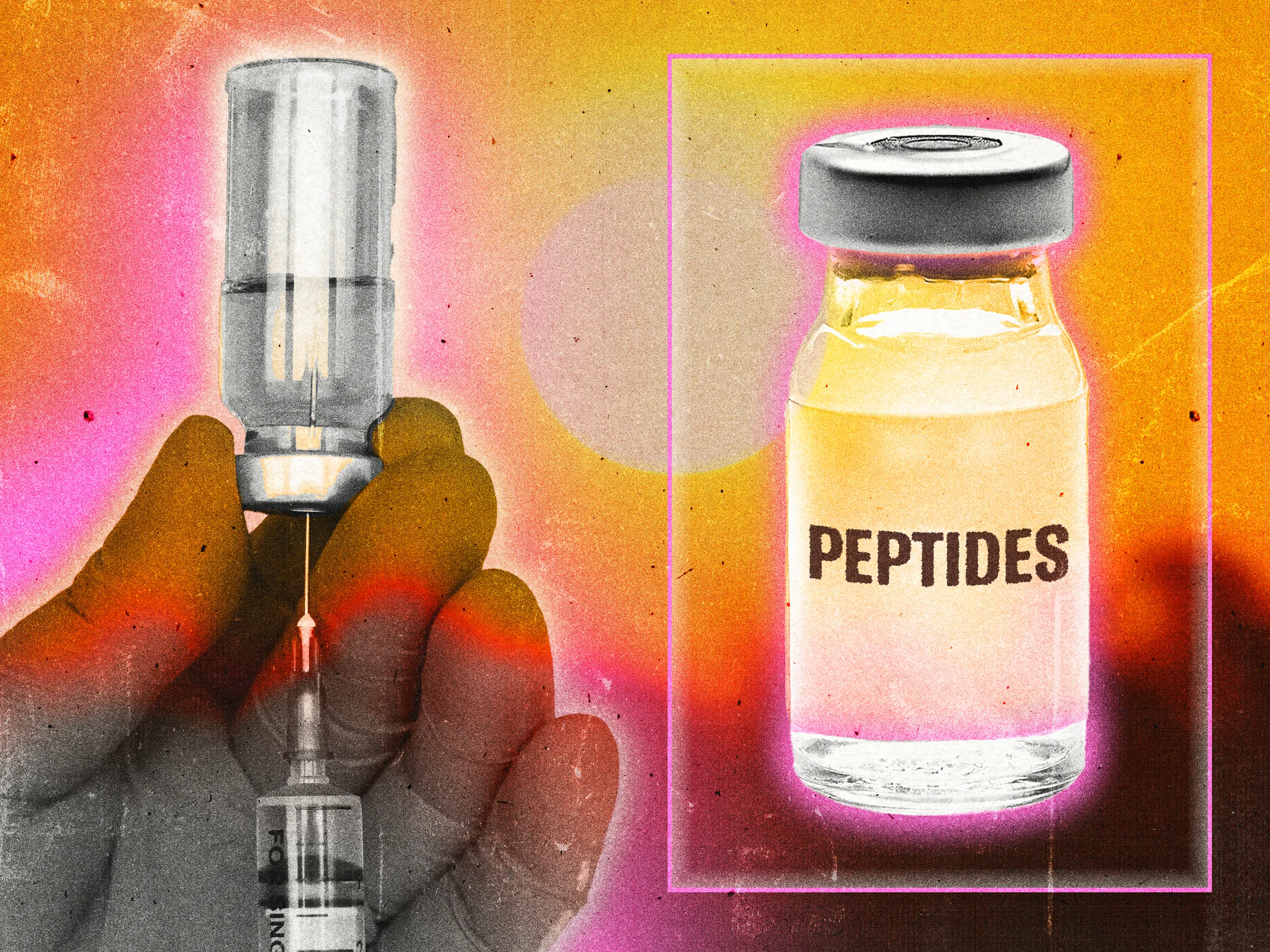
Peptides Legality 2026: Navigating FDA Rules, Research Chemicals, and Safe Access
In the fitness and biohacking world, peptides are celebrated for their regenerative power, yet their legal status remains one of the most misunderstood areas. A 2025 FDA report noted a 140% increase in warning letters sent to companies marketing unapproved peptides for human use, highlighting a critical reality: while certain peptides save lives as FDA‑approved drugs, many popular compounds exist in a legal gray zone. Whether you are a bodybuilder eyeing recovery peptides or a health enthusiast curious about semaglutide legal status, understanding peptides legality across the US, UK, Canada, and Australia is essential to avoid fines, customs seizures, or even criminal charges.
- Quick Summary: Peptides at a Glance
- What Are Peptides & How They Work
- FDA‑Approved Peptides: The Legal Path
- Research Chemicals: The “Not for Human Use” Loophole
- Controlled Substances & the Analogue Act
- Is BPC‑157 legal? A Deep Dive
- Global Enforcement: US, UK, Canada, Australia
- Risks & Penalties Table
- How to Buy Peptides Online Legally (Checklist)
- Frequently Asked Questions (15+ Answers)
- Resources & Expert CTA
Quick Summary: Peptides at a Glance
| Category | Legality Status | Key Example |
|---|---|---|
| FDA‑approved prescription peptides | Legal with valid prescription, dispensed by pharmacy | Semaglutide (Ozempic), Teriparatide (Forteo) |
| Research chemicals / peptides | Legal for laboratory / research purposes only, not for human consumption | BPC‑157, TB‑500, GHRP‑6 |
| Growth hormone secretagogues | Gray area; illegal to market for human use without FDA approval, generally not scheduled | CJC‑1295, Ipamorelin |
| Controlled substance analogues | If structurally similar to Schedule I/II drugs, may fall under Analogue Act | Certain SARMs or synthetic peptides |
What Are Peptides and Why the Legal Landscape Matters
Peptides are short chains of amino acids that act as signaling molecules in the body. Unlike full proteins, they are rapidly absorbed and can influence hormone release, tissue repair, and metabolism. For athletes and biohackers, peptides like BPC‑157 or growth hormone secretagogues promise accelerated healing and lean mass gains. However, the legal structure separates “medicines” from “research chemicals” with strict penalties for crossing the line. According to Dr. Michael Turner, regulatory consultant at the Peptide Safety Alliance, “The average consumer assumes that if a peptide is sold online, it must be legal. But authorities focus on the intended use — once a seller claims ‘human consumption,’ they face felony charges.”
This gap between therapeutic potential and regulation is why understanding peptides legality is the first step toward safe usage. Below, we dissect each layer so you can make informed decisions without legal exposure.
FDA‑Approved Peptides: The Prescription‑Only Safe Zone
The only undisputably legal route for personal use is obtaining a prescription for an FDA‑ or EMA‑approved peptide. Currently, what peptides are FDA approved? The list includes semaglutide (Ozempic/Wegovy), liraglutide (Saxenda), teriparatide (Forteo), abaloparatide (Tymlos), and tesamorelin (Egrifta). These medications undergo rigorous clinical trials, and it is illegal to possess or use them without a valid prescription from a licensed practitioner. For patients, peptide prescription requirements are clear: a doctor’s order and a licensed pharmacy. In a 2024 statement, the FDA reiterated that selling these peptides outside of that channel constitutes a federal violation. For those with legitimate needs — such as osteoporosis, type 2 diabetes, or HIV‑related lipodystrophy — this is the only fully compliant path.
Research Chemicals: The “Not for Human Consumption” Loophole
Visit any peptide website and you will spot the ubiquitous disclaimer: “for laboratory research use only, not for human consumption.” This phrase attempts to navigate peptide regulations FDA oversight by positioning the product as a chemical reagent. Under the Federal Food, Drug, and Cosmetic Act, it is illegal to introduce an unapproved new drug into interstate commerce for human use. By labeling products as research chemicals, vendors try to sidestep this. However, as a buyer, the shield is thin. If customs or the FDA can prove the product is intended for self‑medication, both seller and buyer may face penalties. For example, in 2023, the Department of Justice indicted three Florida vendors for selling BPC‑157 and TB‑500 while marketing them for human injuries — resulting in seizures and prison sentences. So, while are research peptides legal to purchase as a researcher? Yes, for legitimate scientific study. For self‑administration, the activity is a legal gray area that many users risk unknowingly.
“A vendor’s disclaimer does not immunize them from prosecution if the totality of marketing targets human consumers,” says former FDA counsel Riley Edwards (2025).
Controlled Substances Act & Peptides: What’s Scheduled?
A common misconception is that peptides are automatically controlled drugs. In reality, are peptides considered controlled substances? Most are not scheduled under the CSA. However, there is a catch: the Federal Analogue Act. Any substance substantially similar to a Schedule I or II controlled substance can be treated as if it were scheduled. While classic peptides like Ipamorelin and GHRP‑2 are not directly listed, if a peptide is chemically designed to mimic anabolic steroids or has a structure resembling a banned drug, enforcement can use the Analogue Act. For bodybuilders, growth hormone secretagogues legal status typically remains unscheduled, but the DEA monitors large‑scale distribution. Additionally, some compounds sold alongside peptides, like certain SARMs (e.g., RAD‑140), have received DEA attention. This highlights the importance of knowing exactly what you are buying.
Is BPC‑157 legal? Unpacking the Most Asked Peptide Question
Among biohackers and athletes, BPC‑157 stands out as a go‑to for tendon and gut healing. So, is BPC‑157 legal to buy? In the US, it is sold as a research chemical, not FDA‑approved for human therapy. It is not a controlled substance, meaning simple possession for personal use rarely results in prosecution, but selling or importing it for human use violates FDA regulations. The UK’s Human Medicines Regulations 2012 similarly prohibit supplying any peptide for human use without a license. Canada lists most therapeutic peptides as Schedule F (prescription only) and the Canada Border Services Agency frequently seizes undeclared BPC‑157. In Australia, peptides are Schedule 4 (prescription only) or Schedule 10 (prohibited), making possession without a prescription a serious criminal offense. So while BPC‑157 may be “legal to buy” as a research chemical, the moment a consumer ingests or injects it, they cross into legally ambiguous territory. The same applies to are peptides legal in the US? Only through a doctor’s prescription or strictly for lab use.
Global Enforcement: US, UK, Canada & Australia Comparison
| Country | Regulatory Framework | Personal Possession Risk |
|---|---|---|
| United States | FDA regulates as drugs; research chemical loophole allowed if not for human use | Low for personal use (rarely prosecuted) but high for importation without documentation |
| United Kingdom | Human Medicines Regulations 2012; sale for human consumption without license = criminal | Possession not generally criminal; import seizures common |
| Canada | Health Canada: most peptides are Schedule F (prescription) under Food and Drugs Act | Possession without prescription = potential charges; strict border enforcement |
| Australia | TGA: Schedule 4 (prescription) or Schedule 10 (prohibited substances) | High risk; criminal offense, active seizures by Australian Border Force |
Traveling with peptides amplifies risk: can you travel internationally with peptides? Unless you carry the original pharmacy packaging with a matching prescription, customs in countries like UAE, Japan, or Australia can detain and charge you. In 2025, a British tourist was arrested at Dubai Airport with two vials of TB‑500, facing up to 3 months detention before diplomatic intervention. Always research local laws before crossing borders.
Risks & Penalties: Legal and Health Consequences
| Risk Category | Examples | Potential Consequences |
|---|---|---|
| Legal (Sale) | Selling non‑FDA peptides for human consumption | Felony, fines up to $500,000, 1‑5 years imprisonment (US) |
| Importation | Ordering peptides from overseas without proper documentation | Seizure by CBP, IPR violation, watchlist flags |
| Health / Counterfeit | Unsterile or mislabeled “research” vials | Abscesses, infections, heavy metal contamination |
| Athletic Bans | WADA testing for GHRP‑6, GHRP‑2, AOD‑9604 | Loss of eligibility, competition bans, reputational damage |
Moreover, will peptides show up on a drug test? Standard 5‑panel employment screens do not detect peptides. However, elite athletes subject to WADA (World Anti‑Doping Agency) protocols test positive for growth hormone secretagogues or certain peptides — sanctions include multi‑year bans.
How to Buy Peptides Online Legally: 5‑Step Safety Protocol
For those determined to explore research peptides, following a compliance framework reduces legal exposure. These steps reflect best practices observed in the biohacker community:
- 1. Verify vendor disclaimers: Legitimate vendors display clear “not for human consumption” labels and often require age verification. Avoid sites that offer medical advice or human dosing protocols.
- 2. Check third‑party analytics: Look for certificate of analysis (COA) from independent labs confirming peptide identity and purity. Counterfeit peptides are rampant.
- 3. Understand customs risk: When buying peptides online legally from international suppliers, know that US Customs and Border Protection (CBP) may seize shipments if mislabeled or suspected of human use.
- 4. Never misrepresent purpose: Do not claim “personal use” on customs forms. For research, accurate description is required.
- 5. Consult a professional: If you seek peptide therapy, consider a physician who uses compounding pharmacies. Some doctors prescribe “off‑label” in the grey area peptides space, but this carries practitioner risk.
Remember, the safest legal route remains FDA‑approved peptides prescribed by a healthcare provider. For research enthusiasts, documentation of legitimate scientific intent is key.
Frequently Asked Questions About Peptides Legality
1. Are peptides legal in the US?
Yes, but legality depends on context. They are legal with a prescription from a licensed pharmacy or for research purposes. Selling peptides for human consumption without FDA approval is illegal.
2. Is BPC-157 legal to buy?
Is bpc‑157 legal as a research chemical? Yes, it can be purchased for laboratory research, but it is not FDA‑approved for medical use and cannot be sold for human therapy.
3. Do you need a prescription for peptides?
For FDA‑approved peptides like semaglutide, a prescription is mandatory. Research peptides do not legally require a prescription to buy as chemicals, but self‑use is not sanctioned.
4. Are peptides considered controlled substances?
Most peptides are not classified as controlled substances; however, analogues of Schedule I/II drugs may fall under the Analogue Act if chemically similar.
5. Is it illegal to buy peptides online?
It is not inherently illegal if purchased for research purposes from compliant vendors. However, importing without proper documentation can lead to customs seizure.
6. What peptides are FDA approved?
Semaglutide, liraglutide, teriparatide, abaloparatide, and tesamorelin are FDA‑approved and require a valid prescription.
7. Can a doctor legally prescribe any peptide?
Doctors can only prescribe FDA‑approved peptides for approved indications. Some use compounding pharmacies for off‑label use, which remains a regulatory gray area.
8. Are research peptides legal in the UK?
Under Human Medicines Regulations 2012, selling peptides for human consumption without license is illegal. They may be sold as research chemicals with proper disclaimers.
9. What is the penalty for selling peptides for human consumption?
Penalties include felony charges, fines up to $500,000, and imprisonment (1‑5 years) under the Federal Food, Drug, and Cosmetic Act.
10. Are growth hormone peptides legal?
Secretagogues like CJC‑1295 and Ipamorelin are not scheduled, but marketing them to increase HGH for anti‑aging is considered illegal by the FDA.
11. Is Semaglutide legal without a prescription?
No. Semaglutide is a regulated prescription drug. Purchasing it without a prescription constitutes prescription fraud.
12. Why do peptide websites say "not for human consumption"?
Vendors use this disclaimer to try to bypass FDA regulations by positioning products as research chemicals rather than unapproved drugs.
13. Are peptides legal in Australia?
Most peptides are Schedule 4 (prescription only) or Schedule 10 (prohibited). Possession without a prescription is a criminal offense and actively enforced.
14. Can you travel internationally with peptides?
Traveling with peptides without original pharmacy packaging and matching prescription is risky and can lead to confiscation, arrest, or deportation.
15. Will peptides show up on a drug test?
Standard employment drug tests do not screen for peptides, but WADA anti‑doping tests detect growth hormone secretagogues and specific peptides.
Expert Resources & Where to Find Legitimate Support
Staying compliant requires continuous monitoring. Two authoritative sources: the FDA’s “Unapproved Drugs” warning letters database and the UK MHRA’s guidance on novel psychoactive substances (which covers some peptides). For athletes, WADA’s Prohibited List 2026 clearly categorizes growth hormone secretagogues and peptide hormones. According to endocrinologist Dr. Susan Larkin, “Patients often assume ‘research grade’ means safe. But quality control for research chemicals is minimal. Always cross‑reference with professional medical advice before considering any substance.”
Ready to explore high‑quality, lab‑tested research peptides and pharmaceutical support?
Visit our partner stores for safe and verified options.
All products are sold as research chemicals. No claims of human therapeutic use.
© 2026 Peptide Law Tracker. Sources include FDA, DEA, MHRA, and TGA public records. Last updated March 2026.


Leave a Reply