![T4 – LEVOTIRON (LEVOTHYROXINE SODIUM ) 150 MCG / PER TAB [ 50 TABLETS ] – ABDI IBRAHIM](/extrabox/img/product/protected_030425030358T4LEVOTIRONLEVOTHYROXINESODIUM150MCGPERTAB50TABLETSABDIIBRAHIM510x510.webp)
![T3 TIROMEL ( LIOTHYRONINE SODIUM ) 25MCG PER TABLET [ 100 TABLETS BOX ] – ABDI IBRAHIM PHARMA](/extrabox/img/product/protected_030425030343T3TIROMELLIOTHYRONINESODIUM25MCGPERTABLET100TABLETSBOXABDIIBRAHIMPHARMA510x510.webp)
![LEVOTIRON (LEVOTIROKSIN SODYUM) 100 MCG / PER TAB [ 50 TABLETS ] – ABDI IBRAHIM](/extrabox/img/product/protected_030425030353WhatsAppImage20241121at2.webp)
![BITIRON – [ T3 -LIOTHYRONINE 12.5MCG / T4 -THYROXINE 50MCG MIX ] – ABDIIBRAHIM PHARMA [ 100 TABLETS ]](/extrabox/img/product/protected_030425030308Bitiron2510x510.webp)
![TADALAFIL 40MG WITH DAPOXETINE 60MG [ EXTRA SUPER TADARISE ] 10 TABLET PACK – SUNRISE REMEDIES PVT LTD](/extrabox/img/product/protected_030725030337WhatsAppImage20250119at7.webp)


![AMALAKI (IMMUNITY WELLNESS ) AMLA [ PROMOTES HEALTH ] – 60 NATURAL HERBAL TABLETS – HIMALAYA](/extrabox/img/product/protected_031125120305AMALAKIIMMUNITYWELLNESSAMLAPROMOTESHEALTH60NATURALHERBALTABLETSHIMALAYA.webp)
![LIVER KIDNEY CARE (BHUMYAMALAKI WHOLE HERB)- [60 VEG CAPSULES] – ORGANIC INDIA](/extrabox/img/product/protected_031125010319WhatsAppImage20250220at7.webp)


The Complete Guide to Anabolic Steroids Education and Risks: What Every Athlete Must Know in 2026
In the dim light of a crowded gym locker room, a 24-year-old amateur bodybuilder named Mark holds a vial of clear liq...

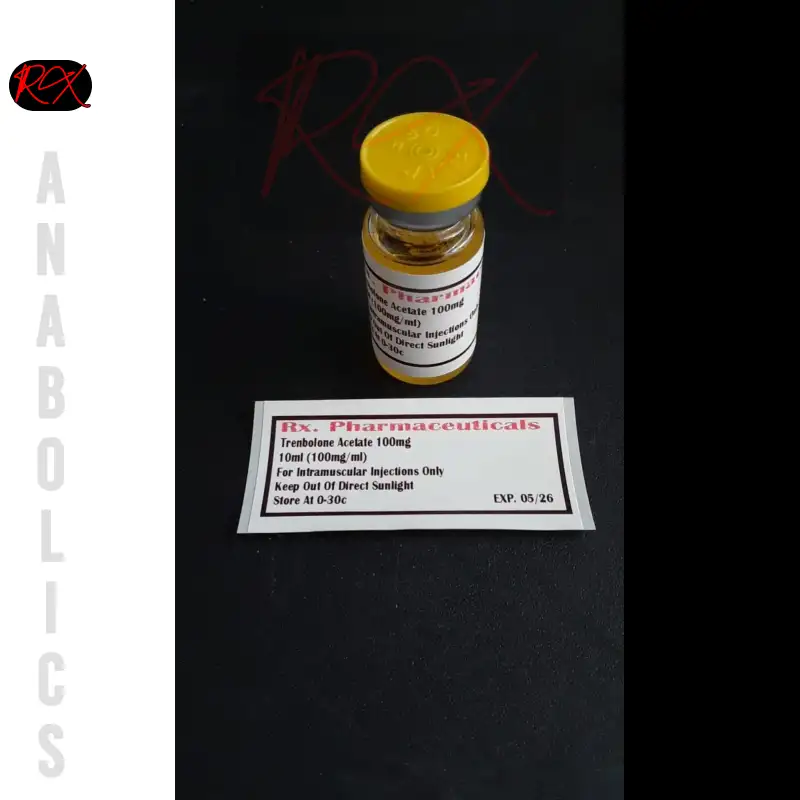
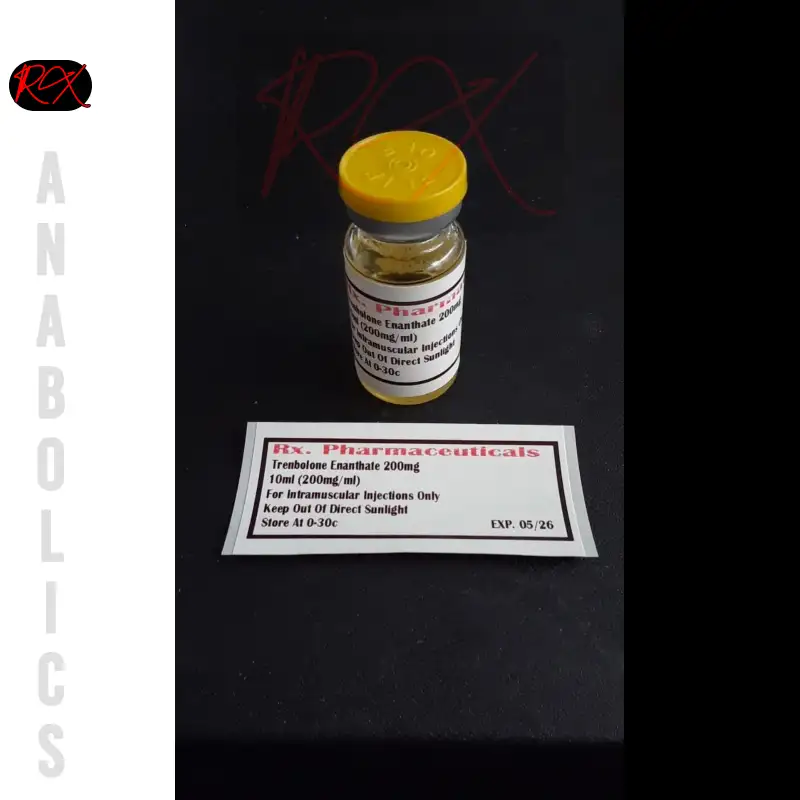

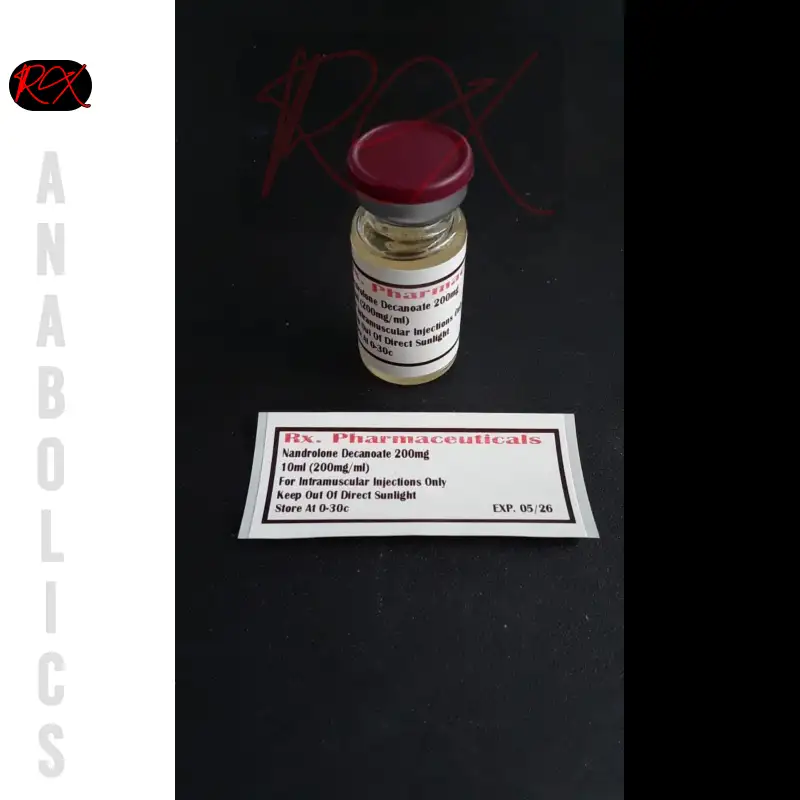
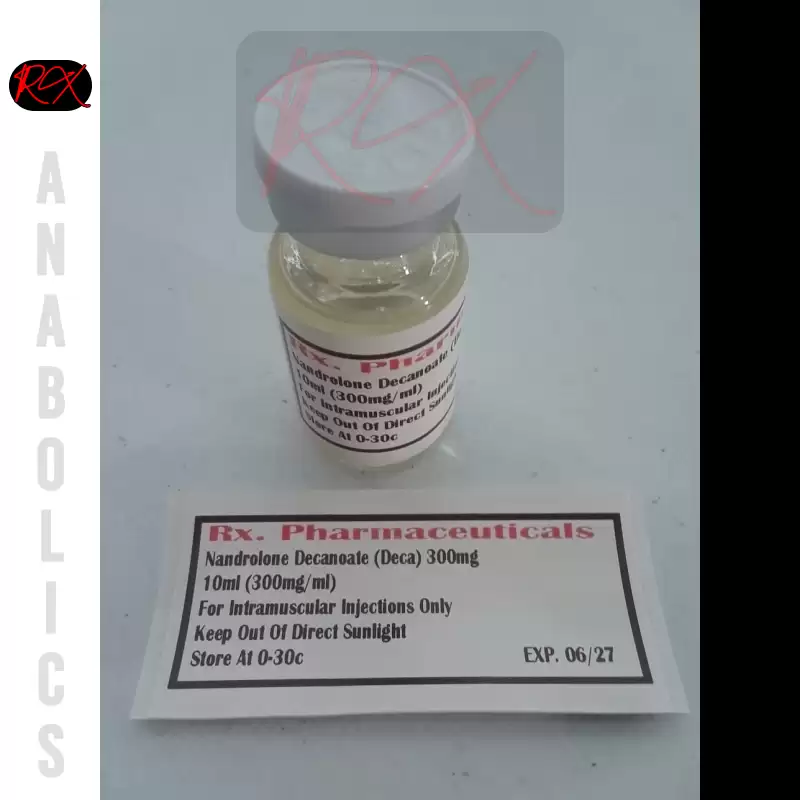






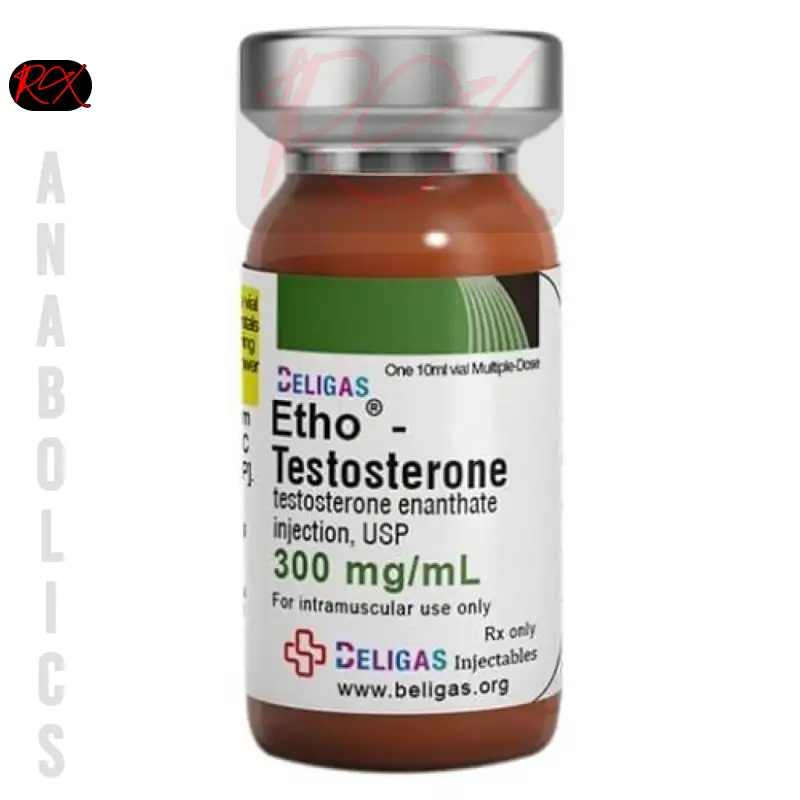
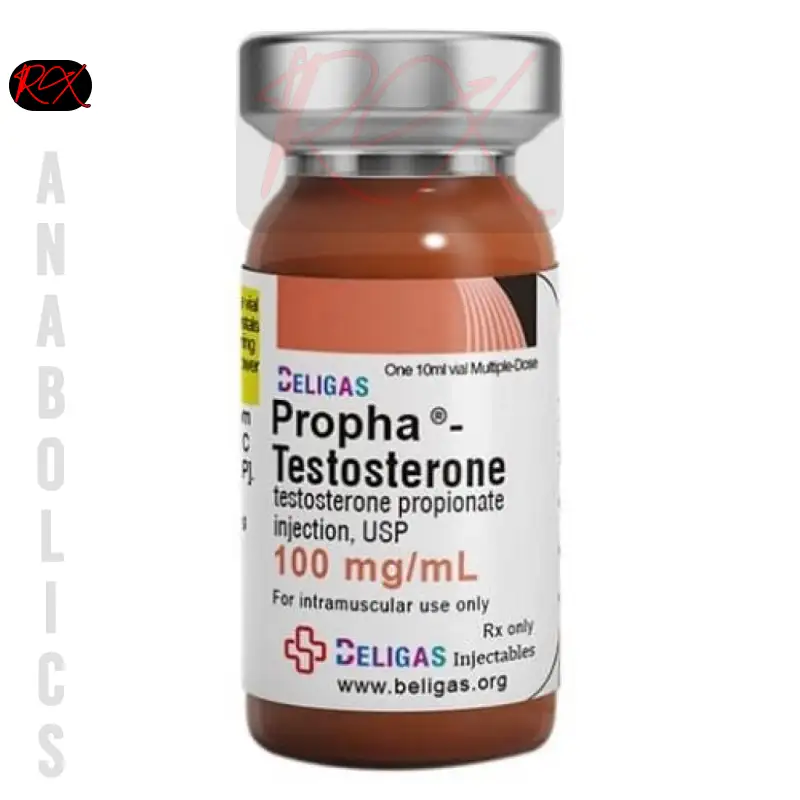
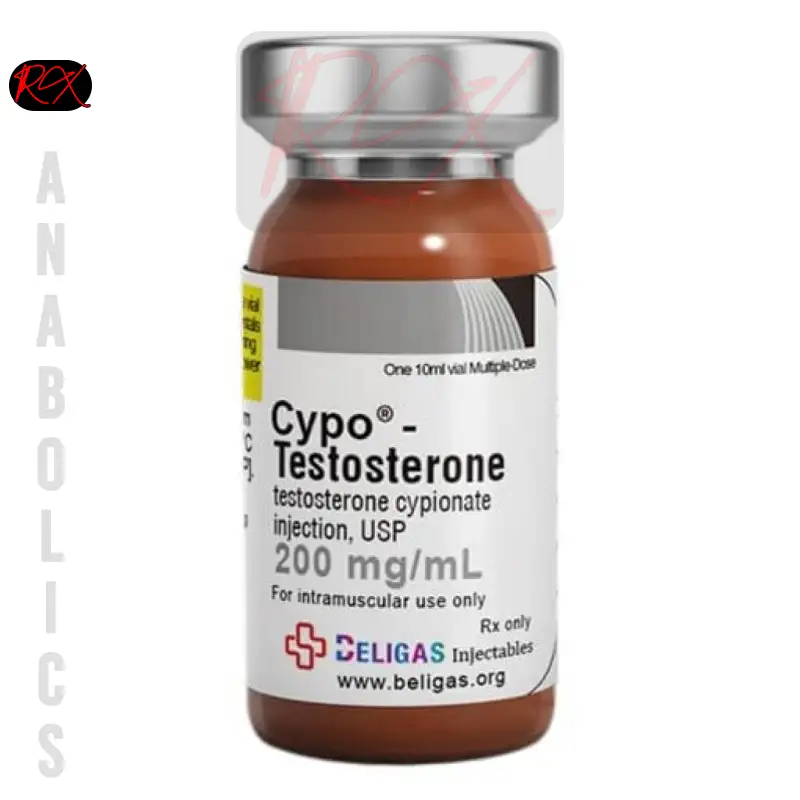
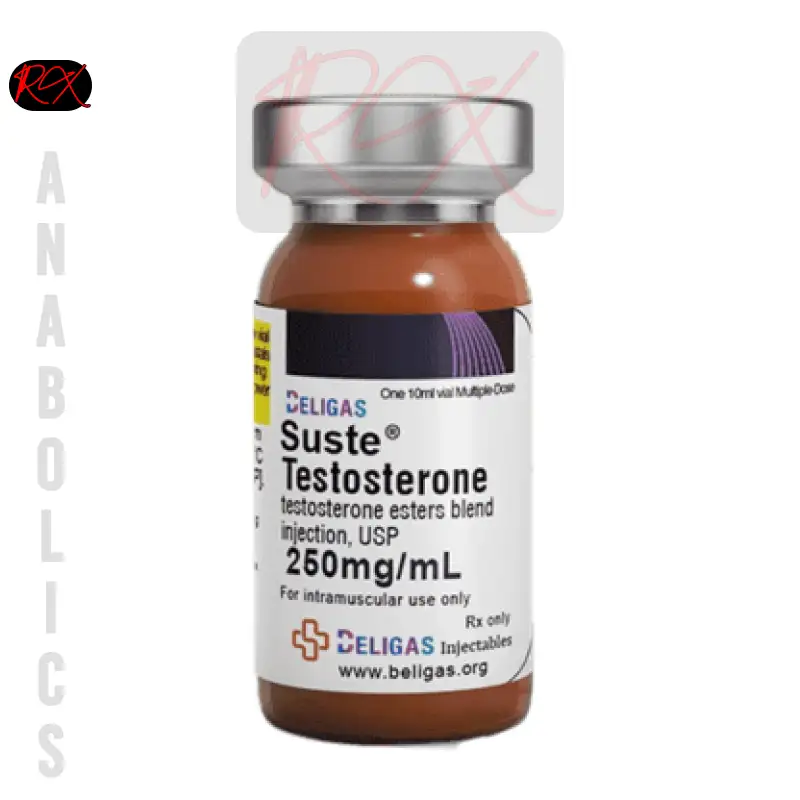
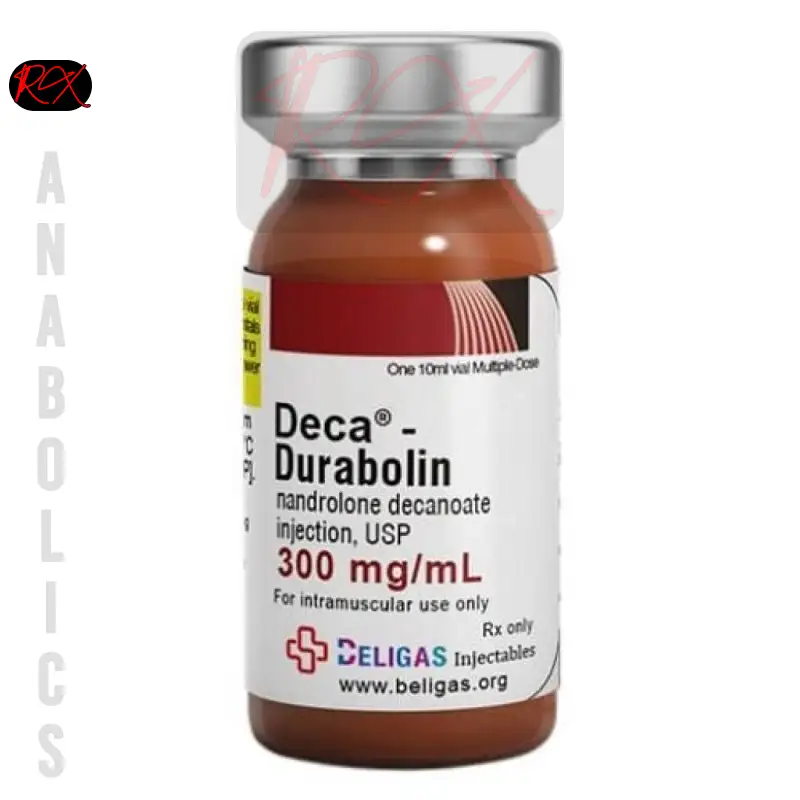
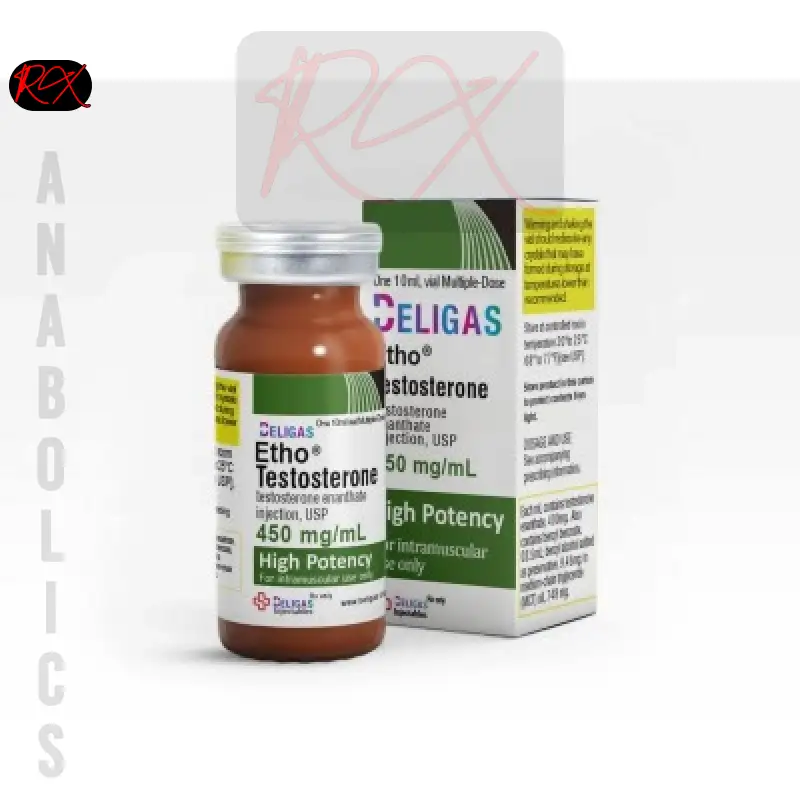
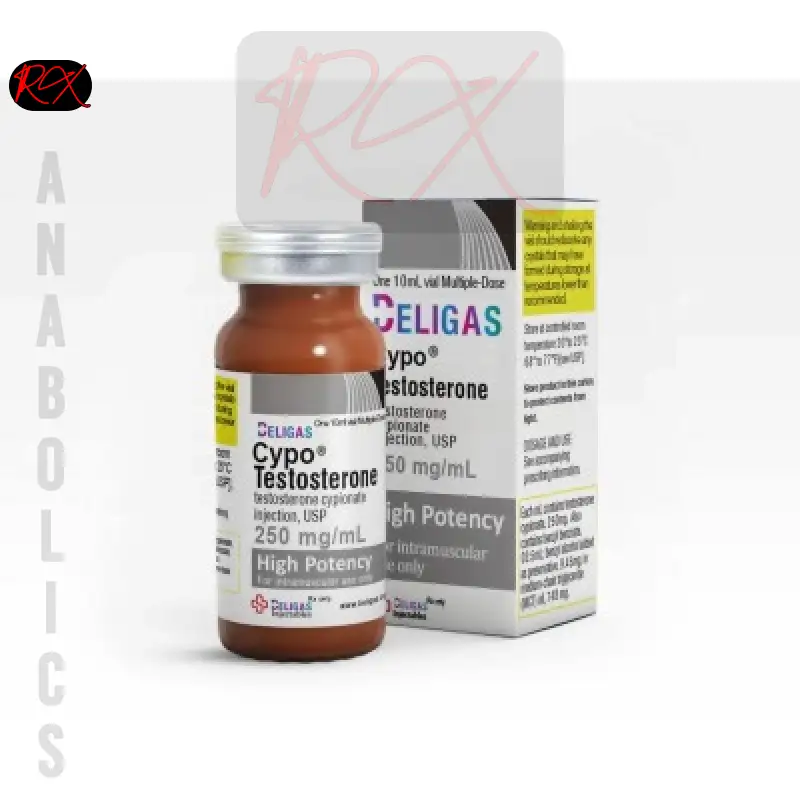
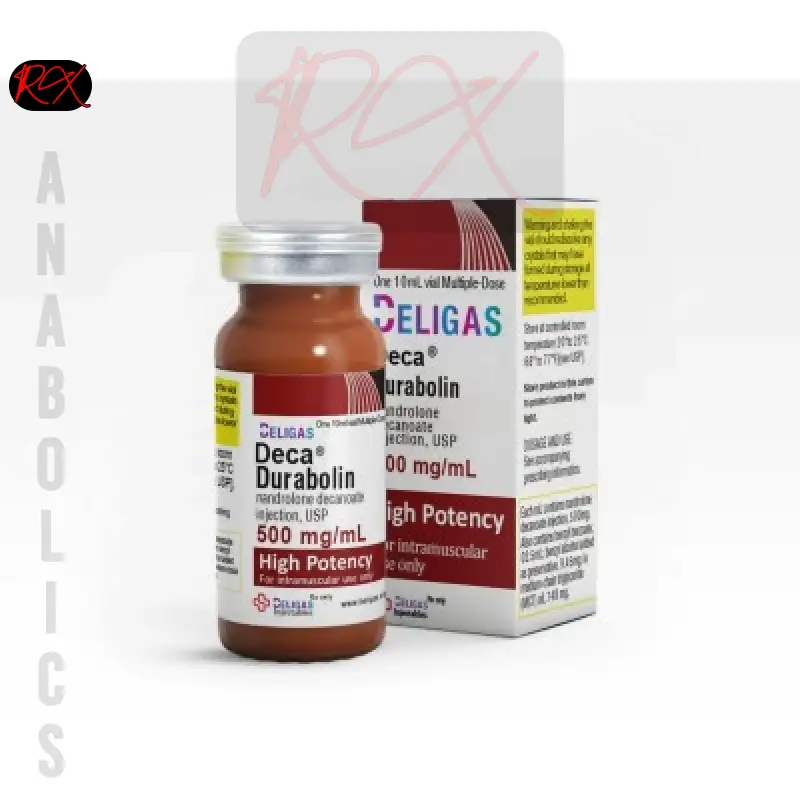
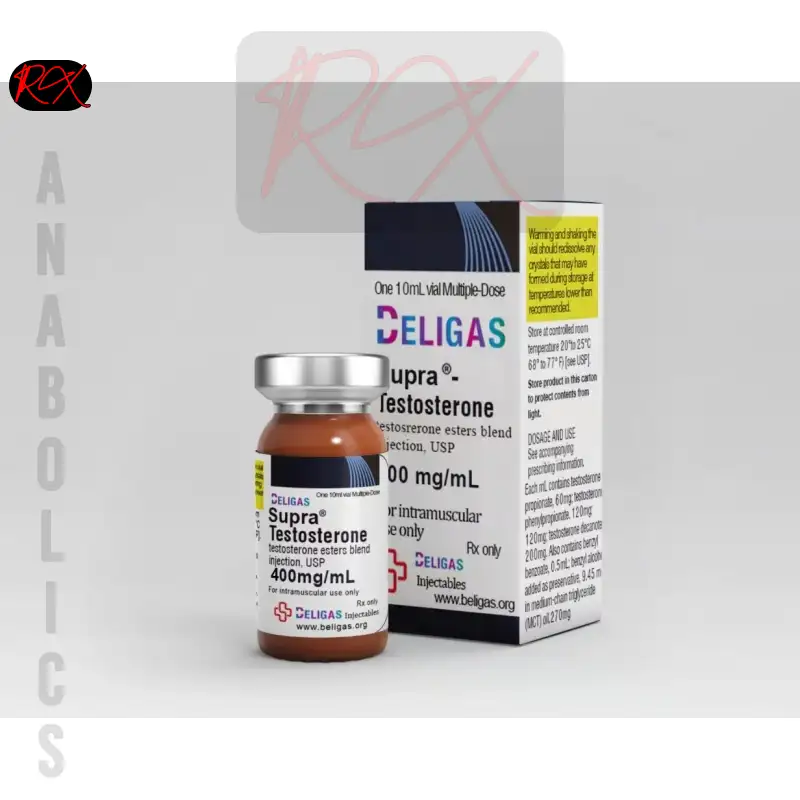

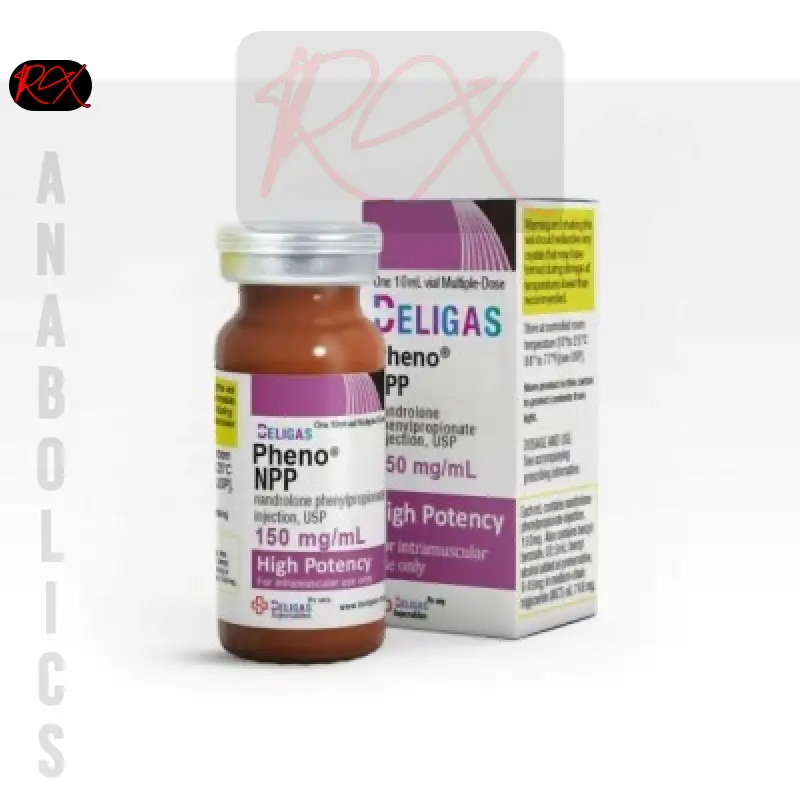
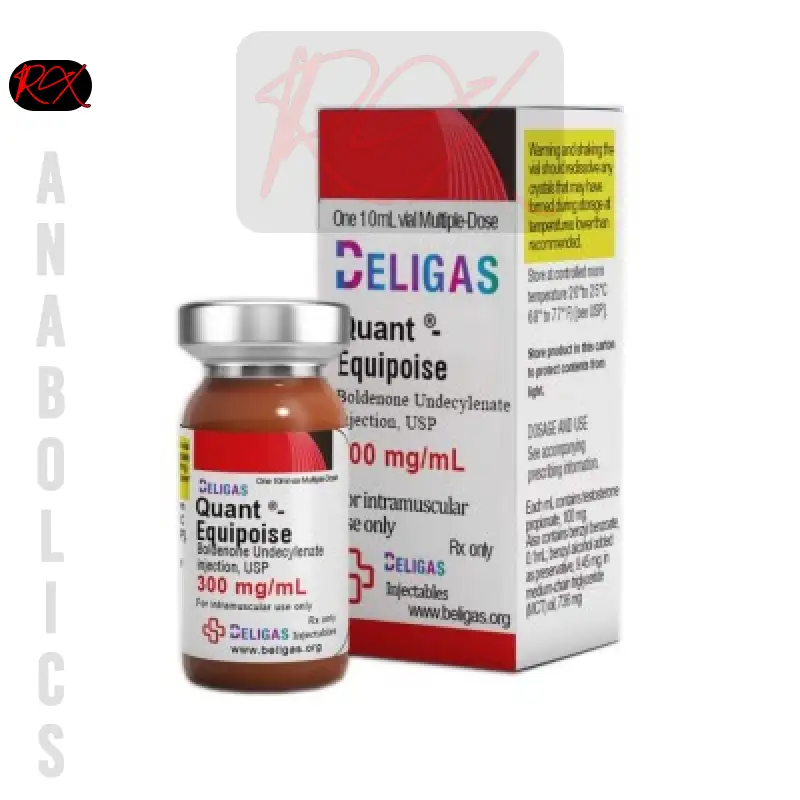



![TESTOSTERONE UNDECANOATE CAPSULES ( TESTOHEAL ) – 40MG / PER CAPSULE [10 CAPSULES]- HEALING PHARMA](/extrabox/img/product/protected_030625110304TESTOSTERONEUNDECANOATECAPSULESTESTOHEAL40MGPERCAPSULE10CAPSULESHEALINGPHARMA1510x510.webp)
![LETROZOLE (FEMARA) – 2.5 MG / PER TAB – HEALING PHARMA [30-TABLETS]](/extrabox/img/product/protected_03062506035010.webp)
![CABERMORE 0.5 ( CABERGOLINE TABLETS ) 0.5MG / PER TAB [ 4 TABLET PACK] – DR MOREPEN](/extrabox/img/product/protected_030625060336Carvbermore2510x510.webp)
![CABERGOLINE 1MG / PER TAB – JOHN LEE PHARMA [4 TABLETS PACK]](/extrabox/img/product/protected_0306250603566.webp)

![GENERIC VIAGRA (SILDENAFIL CITRATE 100MG) – CENFORCE FM 100MG (FOR FEMALES) [10 TABLETS]](/extrabox/img/product/protected_030725030326GENERICVIAGRASILDENAFILCITRATE100MGCENFORCEFM100MGFORFEMALES10TABLETS.webp)


![VIDALISTA – CIALIS (TADALAFIL CHEWABLE) 20MG / PER TAB – CENTURION LABS [10 TABLETS]](/extrabox/img/product/protected_030725030320VIDALISTACIALISTADALAFILCHEWABLE20MGPERTABCENTURIONLABS10TABLETS.webp)
![SILDENAFIL CITRATE 200MG (GENERIC VIAGRA) – CENFORCE [10 TABLETS]](/extrabox/img/product/protected_030725030358SILDENAFILCITRATE200MGGENERICVIAGRACENFORCE10TABLETS.webp)
![SILDENAFIL CITRATE 100 MG (GENERIC VIAGRA) – KAMAGRA GOLD [4 TABLETS PACK]](/extrabox/img/product/protected_030725030342SILDENAFILCITRATE100MGGENERICVIAGRAKAMAGRAGOLD4TABLETSPACKPrice20510x510.webp)


![SHILAJIT EXTRACT HERBAL SUPPLEMENT – [ 60 TABLETS ] – SHILAVITALS](/extrabox/img/product/protected_031125120313SHILAJITEXTRACTHERBALSUPPLEMENT60TABLETSSHILAVITALS510x510.webp)


![PURE HIMALAYAN SHILAJIT ( SHILAJIT IN RESIN FORM ) [ 20GM BOTTLE ] – BOLD CARE](/extrabox/img/product/protected_031125120345PUREHIMALAYANSHILAJITSHILAJITWITHFULVICACID20GMBOTTLEBOLDCARE510x510.webp)

![FRUITA VITALS DIETARY SUPPLEMENT – [90 CAPSULES] – SHILAVITALS](/extrabox/img/product/protected_031125120348Fruits2510x510.webp)

![ALOEVERA JUICE ( SUGAR FREE ) [ 32 FL.OZ – 960ML ] – BASIC AYURVEDA](/extrabox/img/product/protected_031125120339WhatsAppImage20250120at11.webp)
![ALOEVERA JUICE ( SUGAR FREE ) [ 16 FL.OZ – 480ML ] – BASIC AYURVEDA](/extrabox/img/product/protected_031125120302ALOEVERAJUICESUGARFREE16FL.webp)

![LIV.52 ( LIVER CLEANSER ) – HIMALAYA [ 100 TABLETS ]](/extrabox/img/product/protected_031125010332LIV.webp)

![IVERMECTIN ( IVERVID 12 ) 12MG / PER TABLET [ 10 TABLETS PACK ] – JEERIMA BIOCARE](/extrabox/img/product/protected_031125050313IVERVID122510x510.webp)
![IVERMECTIN ( IVERFRESH 12 ) 12MG / PER TABLET [ 10 TABLETS PACK ] – ORANGE CITY](/extrabox/img/product/protected_031125050349Iverfresh121510x510.webp)

![ZETIHEAL (EZETIMIBE) 10MG/PER TAB – [10 TABLETS] – HEALING PHARMA](/extrabox/img/product/protected_031125050353ZETIHEALEZETIMIBE10MGPERTAB10TABLETSHEALINGPHARMA510x510.webp)
![ROSUBEST (ROSUVASTATIN) 20MG / PER TAB – [10 TABLETS]- CADILA](/extrabox/img/product/protected_031125050309ROSUBESTROSUVASTATIN20MGPERTAB10TABLETSCADILA510x510.webp)
![LIPVAS (ATORVASTATIN) 10MG / PER TAB – [10 TABLETS] – CIPLA](/extrabox/img/product/protected_031125050300LIPVASATORVASTATIN10MGPERTAB10TABLETSCIPLA.webp)


![BEMPESTA (BEMPODIC ACID) 180MG / PER TAB – [10 TABLETS] – TORRENT](/extrabox/img/product/protected_031125060358BEMPESTA180MGPERTAB10TABLETSTORRENT1.webp)
![SAT-ISABGOL ( PSYLLIUM HUSK ) [ 100G POWDER BASED ] FOR CONSTIPATION – SIDHPUR](/extrabox/img/product/protected_031125060327SATISABGOLPSYLLIUMHUSK100GPOWDERBASEDFORCONSTIPATIONSIDHPUR510x510.webp)
![AYURVEDIC KAYAM TABLETS ( CHRONIC CONSTIPATION, ACIDITY , GAS HEADACE ) [ 30 TABLETS ] – SHETH BROS](/extrabox/img/product/protected_031125060358AYURVEDICKAYAMTABLETSCHRONICCONSTIPATIONACIDITYGASHEADACE30TABLETSSHETHBROS.webp)


![SAUNDARYA ALOE VERA GEL – 150ML (Pimples, Wrinkles & Glowing Fair Skin) [Face Wash] – Patanjali](/extrabox/img/product/protected_031225010324SAUNDARYAALOEVERAGELPIMPLESWRINKLESGLOWINGFAIRSKINFACEWASH150MLPATANJALI1.webp)
![PURIFYING NEEM FACE WASH (SOAP-FREE) – HIMALAYA [NEEM ● TURMERIC 150ML] + FREE GIFT: TOOTHPASTE 80G](/extrabox/img/product/protected_031225010343PURIFYINGNEEMFACEWASHSOAPFREENEEMTURMERIC150MLHIMALAYA1.webp)
![ACCUTANE (ISOTRETINOIN CAPSULES IP) 30 MG / PER TAB – HEALING PHARMA [10 TABLETS PACK]](/extrabox/img/product/protected_031225010306AccufineIsotropinCapsuleIP30mg510x510.webp)
![ACCUTANE (ISOTRETINOIN CAPSULES IP) 20 MG / PER TAB – HEALING PHARMA [10 TABLETS PACK]](/extrabox/img/product/protected_031225010340ACCUTANEISOTRETINOINCAPSULESIP20MGPERTABHEALINGPHARMA10TABLETSPACKPrice251510x510.webp)
![MINIMALIST 0.3% SERUM ( RETINOL ) [30ML BOTTLE] – MINIMALIST](/extrabox/img/product/protected_031225010333MINIMALIST0.webp)
![PREDNIHEAL ( PREDNISOLONE ) 10 MG / PER TAB [ 10 TABLETS ] – HEALING PHARMA](/extrabox/img/product/protected_031225020322PREDNIHEALPREDNISOLONE10MGPERTAB10TABLETSHEALINGPHARMA1510x510.webp)


![MINOXYTOP 10% (MINOXIDIL) [60ML BOTTLE ] HEALING PHARMA](/extrabox/img/product/protected_031225030347Minoxidil103510x510.webp)


![DUTANOL (DUTASTERIDE) 0.5MG / PER TAB – [10 TABLETS] – KNOLL](/extrabox/img/product/protected_031225030310DUTANOLDUTASTERIDE0.webp)


![R1 ROAR PRE WORKOUT (315G TUB ) [ PEACH MANGO ] – RULE ONE](/extrabox/img/product/protected_031225040328WhatsAppImage20241121at2.webp)
![NITRAFLEX KAOS PREWORKOUT [ PEACH PINEAPPLE ] GAT](/extrabox/img/product/protected_031225040339WhatsAppImage20241121at2.webp)

![TOTAL WAR PREWORKOUT [ STRAWBERRY KIWI ] – REDCON1](/extrabox/img/product/protected_031225040335WhatsAppImage20241121at2.webp)
![HYDROCODONE (10 MG) AND ACETAMINOPHEN (325 MG) [ IMPRINT M367 ] ( 20 TABLETS PACK ) – NATCO](/extrabox/img/product/protected_032826010340photo.webp)

SECURE AND DISCREET INTERNATIONAL SHIPPING AVAILABLE



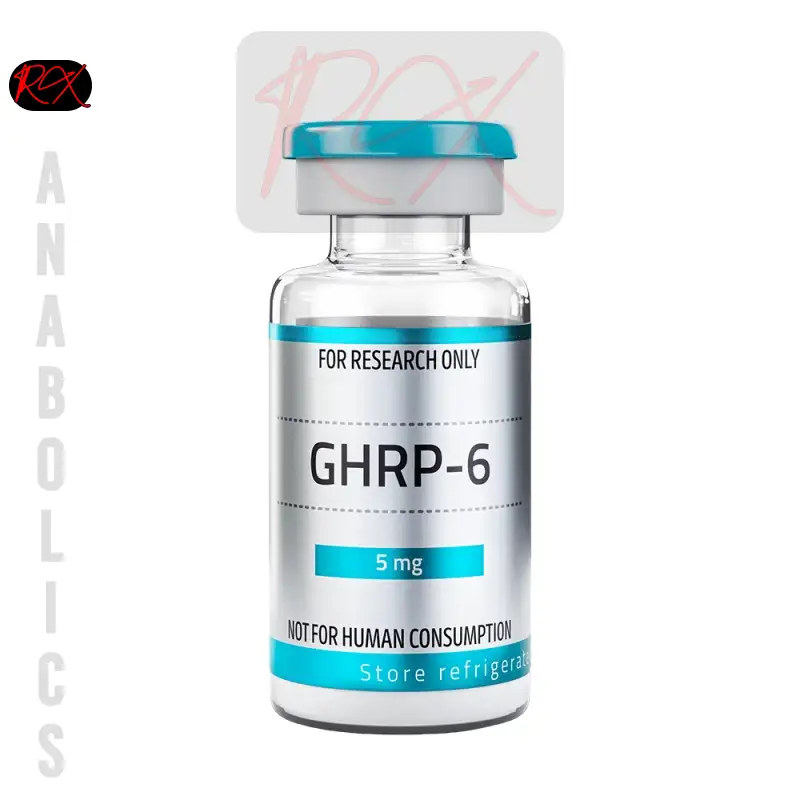
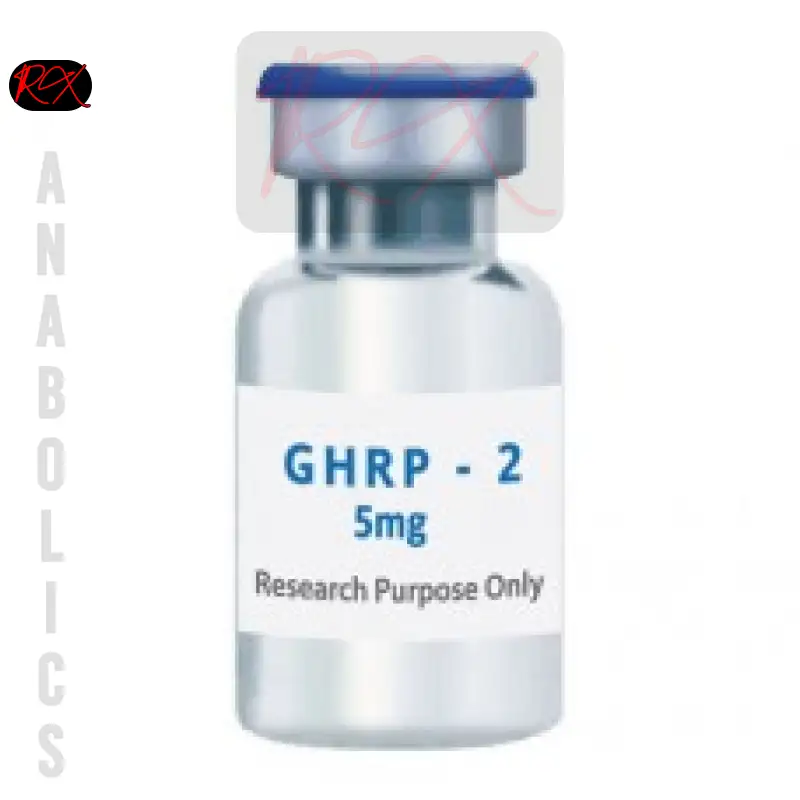
Unlock the potential of advanced peptide therapy with GHRP-2 (Growth Hormone Releasing Peptide-2) by GenLabs, a premium-grade, research-grade peptide designed to stimulate the natural release of growth hormone (GH) from the pituitary gland. This 5mg vial of GHRP-2, accompanied by bacteriostatic water, is meticulously formulated for laboratory research and experimental use, ensuring purity, potency, and reliability.
Key Features:
High Purity & Quality:
GenLabs GHRP-2 is synthesized using state-of-the-art technology, ensuring a purity level of 99% or higher. Each batch is rigorously tested for quality and consistency, making it a trusted choice for researchers and scientists.
Enhanced Growth Hormone Secretion:
GHRP-2 is a synthetic hexapeptide that binds to ghrelin receptors in the pituitary gland and hypothalamus, promoting the release of growth hormone. This makes it an invaluable tool for studying growth hormone regulation and its effects on muscle growth, fat metabolism, and tissue repair.
Convenient 5mg Vial:
Each vial contains 5mg of lyophilized GHRP-2 powder, providing an optimal quantity for research purposes. The inclusion of bacteriostatic water ensures proper reconstitution and preservation of the peptide for extended use.
Bacteriostatic Water Included:
The package includes a vial of bacteriostatic water (0.9% benzyl alcohol), which is essential for reconstituting the peptide. This ensures the solution remains sterile and stable for multiple uses over time.
Versatile Research Applications:
GHRP-2 is widely used in scientific studies to explore its potential benefits in areas such as muscle hypertrophy, fat loss, recovery, and anti-aging. It is also studied for its role in improving sleep quality, appetite regulation, and overall metabolic function.
Trusted Brand – GenLabs:
GenLabs is a renowned name in the field of research peptides, known for its commitment to quality, innovation, and scientific integrity. Their products are manufactured in ISO-certified facilities, ensuring the highest standards of production and safety.
Usage Instructions:
Reconstitute the 5mg vial of GHRP-2 with the provided bacteriostatic water.
Gently swirl the vial until the peptide is fully dissolved. Avoid shaking to prevent degradation.
Store the reconstituted solution in a cool, dark place or refrigerate for optimal stability.
Use within the recommended timeframe to maintain potency.
Important Note:
This product is intended for research purposes only and is not for human consumption, medical treatment, or diagnostic use. It is strictly for use in controlled laboratory environments by qualified professionals.
Packaging:
1 x 5mg vial of GHRP-2 (lyophilized powder)
1 x 30ml vial of bacteriostatic water (0.9% benzyl alcohol)
Storage:
Store the lyophilized powder at or below -20°C for long-term stability. After reconstitution, store in a refrigerator (2-8°C) and use within a few weeks.

In the dim light of a crowded gym locker room, a 24-year-old amateur bodybuilder named Mark holds a vial of clear liq...

In the fitness world, whispers about anabolic steroids often swing between two extremes: the...
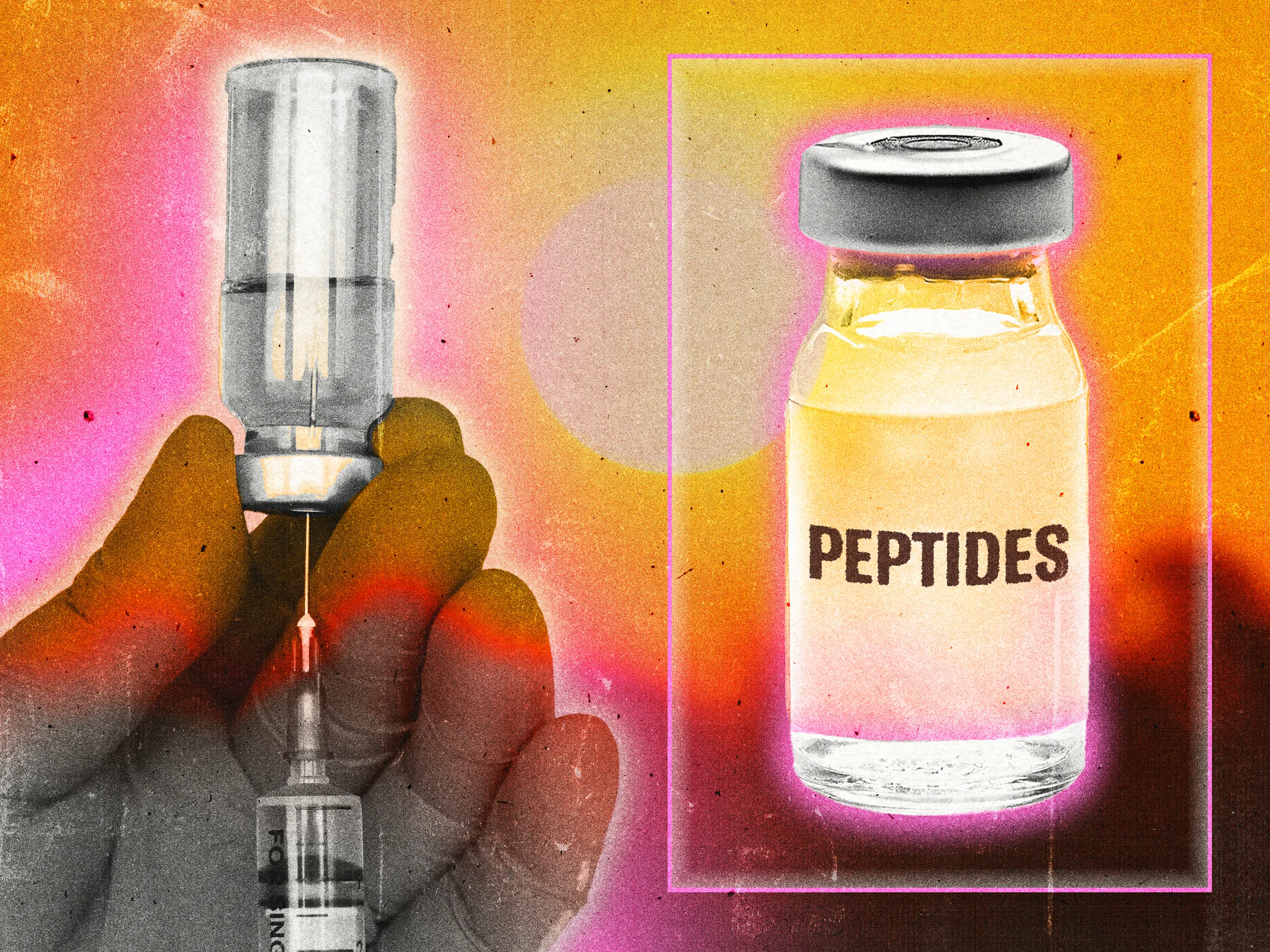
In the fitness and biohacking world, peptides are celebrated for their regenerative power, y...
With several years of experience, we are satified by the overflow of our clients joy towards our services. We thank you all!
Retatrutide 5mg Vial, manufactured by GenLabs, is a high-quality, precision-formulated peptide designed for research and clinical applications. This product is supplied as a lyophilized powder in a sterile vial, accompanied by bacteriostatic water for reconstitution. Retatrutide is a cutting-edge peptide known for its potential therapeutic benefits, particularly in the fields of metabolic disorders, weight management, and cardiovascular health. GenLabs ensures the highest standards of purity, potency, and safety, making Retatrutide 5mg Vial a reliable choice for researchers and healthcare professionals.
Key Features:
Active Ingredient: Retatrutide 5mg per vial.
Form: Lyophilized powder for reconstitution.
Included: Bacteriostatic water (30ml) for dilution.
Purity: ≥98% (verified by HPLC analysis).
Sterility: Produced in a cGMP-certified facility.
Packaging: Sealed vial with tamper-proof cap for safety and integrity.
Indications and Applications:
Retatrutide is a novel peptide with promising applications in research and clinical studies. It is primarily investigated for its role in:
Metabolic Health: Potential to regulate glucose metabolism and improve insulin sensitivity.
Weight Management: May aid in appetite suppression and promote fat loss.
Cardiovascular Health: Being studied for its effects on lipid profiles and heart health.
Anti-inflammatory Properties: Potential to reduce inflammation in various conditions.
Usage Instructions:
Reconstitution: Add 1-2ml of the provided bacteriostatic water to the Retatrutide 5mg vial. Gently swirl until the powder is fully dissolved. Avoid vigorous shaking to prevent degradation.
Dosage: The recommended dosage varies based on research protocols. Consult relevant literature or a healthcare professional for guidance.
Storage: Store the unopened vial at 2-8°C (36-46°F). After reconstitution, store in the refrigerator and use within 7 days to ensure stability and efficacy.
Safety Information:
For Research Use Only: This product is intended for laboratory research and not for human or animal consumption.
Handling: Use sterile techniques during reconstitution and handling to prevent contamination.
Precautions: Avoid direct contact with skin or eyes. In case of accidental exposure, rinse thoroughly with water.
Why Choose GenLabs?
GenLabs is a trusted name in the pharmaceutical and biotechnology industry, known for its commitment to quality and innovation. The Retatrutide 5mg Vial is produced under strict quality control measures, ensuring consistency and reliability for your research needs.
Ordering Information:
Retatrutide 5mg Vial (with Bacteriostatic Water) is available for purchase through authorized distributors. Each package includes one 5mg vial of Retatrutide and one 30ml vial of bacteriostatic water. For bulk orders or additional information, contact GenLabs directly.


We remain faithful to serve you the best quality products out there.