
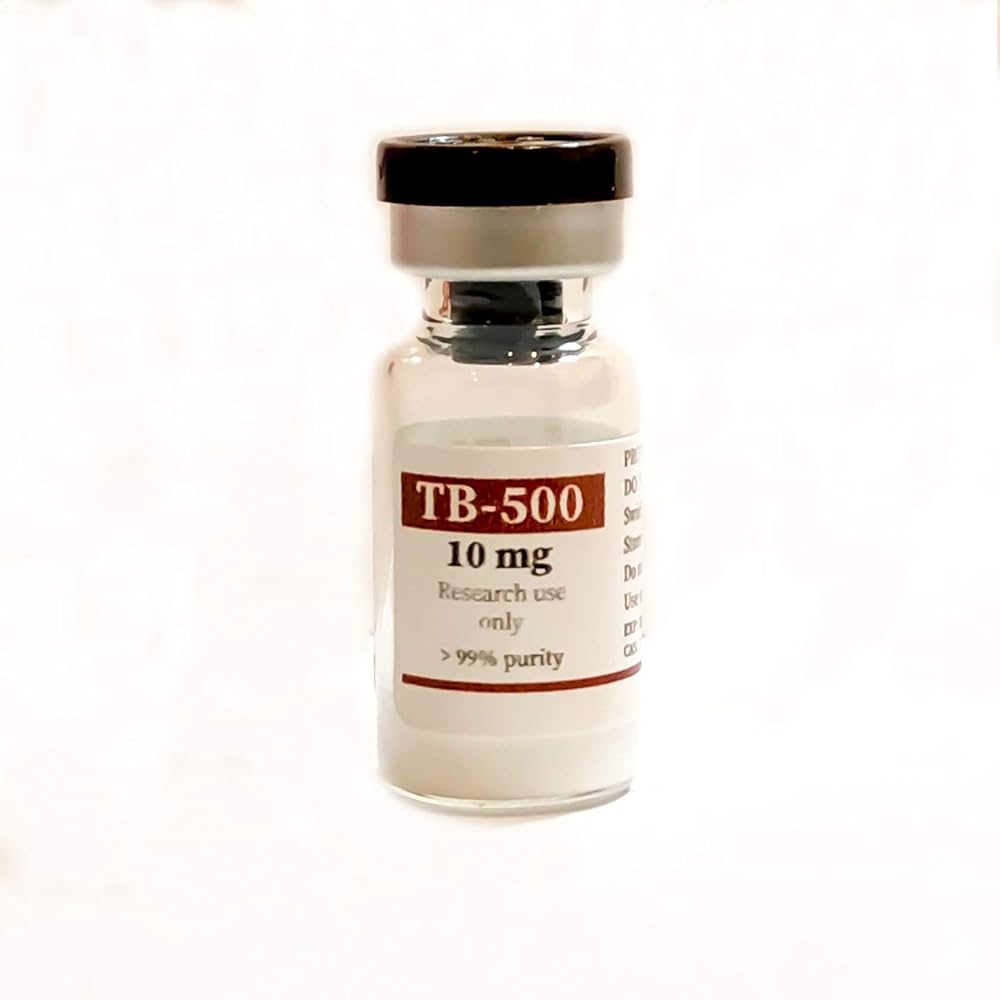
TB 500 Benefits: The Ultimate Guide to Accelerated Injury Recovery in 2026
For athletes sidelined by stubborn injuries, the search for a recovery edge can feel endless. Imagine a therapy that doesn't just mask pain, but actively reprograms your body's healing mechanisms at the cellular level. Emerging research into regenerative peptides is turning this concept into reality. A 2023 systematic review in the Journal of Orthopaedic Research highlighted the significant potential of specific peptides in enhancing musculoskeletal repair, with one compound standing out for its profound systemic effects. This guide delves deep into the science and application of TB 500 benefits, a synthetic fragment of thymosin beta 4 that is revolutionizing tb 500 injury recovery for athletes, biohackers, and anyone seeking to overcome chronic tendon, joint, and surgical wounds.
Table of Contents
- What is TB-500? The Science of Thymosin Beta 4
- How Does TB-500 Work? Mechanisms of Healing
- TB-500 Benefits: Specific Applications for Injury Recovery
- Practical Considerations: Dosage, Cycle, and Administration
- Safety, Side Effects, and Legal Status
- TB-500 vs. BPC-157: Choosing Your Recovery Peptide
- Frequently Asked Questions (FAQ)
- Final Verdict and Next Steps
Quick Summary: TB-500 at a Glance
| Aspect | Key Takeaway |
|---|---|
| What It Is | A synthetic, stable version of the active region of Thymosin Beta-4, a natural protein that regulates actin and healing. |
| Primary Mechanism | Promotes cell migration, angiogenesis (new blood vessel formation), and reduces inflammation. |
| Top Benefit | Accelerates healing of tendons, ligaments, muscles, and skin; reduces chronic joint pain. |
| Typical User | Athletes with nagging injuries (Achilles tendinopathy, tennis elbow), post-surgical patients, biohackers. |
| Legal Status (USA) | Not FDA-approved for human use; prohibited by most sports organizations (WADA, NCAA). |
| Key Consideration | Requires subcutaneous injection; medical consultation is essential. |
What is TB-500? Decoding the Thymosin Beta 4 Healing Signal
To understand tb 500 peptide benefits, we must start with its natural counterpart. Thymosin Beta-4 (Tβ4) is a 43-amino-acid protein found in high concentrations in blood platelets and wound fluid. It's a master regulator of cell migration and repair. However, the full Tβ4 molecule is large and has multiple functions. TB-500 is the synthesized, shorter (17-amino-acid), and more stable fragment that contains the active site responsible for its restorative properties. This makes it more practical for research and use, as it's more readily absorbed and distributed throughout the body after injection. Think of it as distilling the most potent healing message from a complex biological conversation.
The Historical and Research Context
The study of thymosin beta 4 healing properties dates back decades. Initial research focused on its role in immune function (it was discovered in the thymus gland, hence the name). However, scientists soon observed its remarkable presence at injury sites. A pivotal 2004 study in the Annals of the New York Academy of Sciences demonstrated that Tβ4 significantly accelerated wound healing in animal models by promoting keratinocyte migration and collagen deposition. Since then, hundreds of pre-clinical studies have explored its potential for heart damage, corneal injuries, and crucially for our audience, musculoskeletal repair. The development of TB-500 as a research peptide allowed for more targeted investigation into these tb 500 benefits without the complexity of the full molecule.
How Does TB-500 Work? The Three Pillars of Cellular Repair
The tb 500 benefits are not magical; they are a direct result of specific, science-backed actions on your body's own repair systems. Here’s a breakdown of the core mechanisms.
1. Cell Migration and Proliferation (The "Workforce" Effect)
TB-500's signature action is its ability to promote the movement and division of cells. It does this by binding to actin, a fundamental protein that makes up the cellular cytoskeleton. By regulating actin polymerization, TB-500 allows cells like fibroblasts (which build connective tissue) and endothelial cells (which line blood vessels) to move directionally into damaged areas. It's like giving the construction crew a precise blueprint and the tools to travel to the worksite efficiently.
2. Angiogenesis (Building New Supply Lines)
Healing tissue requires oxygen and nutrients. Chronic injuries often suffer from poor blood flow. TB-500 stimulates angiogenesis, the formation of new capillaries. This process brings a fresh supply of healing factors and removes waste products, transforming a stagnant, painful injury site into a dynamic, rebuilding environment. This is particularly critical for tb 500 for tendon repair, as tendons are naturally poorly vascularized.
3. Anti-inflammatory and Anti-Fibrotic Actions (Reducing Chaos and Scarring)
While acute inflammation is necessary, chronic inflammation impedes healing and causes pain. How does tb 500 reduce inflammation? It downregulates key inflammatory cytokines like TNF-α and IL-1β. Furthermore, it increases the production of enzymes that break down fibrotic (scar) tissue, promoting the formation of more functional, flexible tissue instead of stiff scar material. This is a key benefit for restoring full range of motion after an injury.
TB-500 Benefits: Targeting Specific Injury Types
The systemic mechanisms above translate into concrete, life-changing tb 500 peptide benefits for specific conditions plaguing the fitness community.
For Tendon and Ligament Repair (Tendinopathies)
This is where TB-500 shines. Conditions like Achilles tendinopathy, tennis elbow (lateral epicondylitis), and patellar tendonitis involve degenerative changes and failed healing responses. TB 500 for tendon repair works by directly stimulating tenocyte (tendon cell) migration and proliferation, while the angiogenic effect brings much-needed blood flow to these avascular structures. Anecdotal reports from athletes consistently note reductions in pain and stiffness, allowing a return to loading and training much faster than with rest alone. The benefits of tb 500 for tendon injuries may include not just healing but also improved tissue quality and resilience.
For Muscle Strains and Tears
Can tb 500 help recover from muscle strains? Absolutely. By accelerating the migration of satellite cells (muscle stem cells) to the injury site and fostering a pro-healing environment, TB-500 can significantly shorten the downtime from grade I and II muscle tears. It helps in organizing the new muscle fibers properly, reducing the risk of re-injury.
For Joint Pain and Arthritis
Can tb 500 help with joint pain and arthritis? While not a cure for osteoarthritis, its anti-inflammatory and tissue-remodeling effects can provide substantial symptomatic relief. By reducing synovial inflammation and potentially aiding in the repair of connective tissues within the joint, it can decrease pain and improve function. This makes it a compelling component of a comprehensive joint health protocol.
For Post-Surgical Recovery
After surgeries like ACL reconstruction, rotator cuff repair, or joint replacements, the body faces a massive healing challenge. Peptide therapy for injury recovery post-op can be a game-changer. TB-500 can help accelerate healing after surgery by improving wound closure, reducing excessive scar tissue formation (adhesions), and enhancing the strength of repaired ligaments and tendons. This can lead to a safer and more robust rehabilitation phase.
Additional Potential Benefits
While our focus is musculoskeletal, research suggests other tb 500 benefits. Its effects on keratinocytes support skin healing. There is also anecdotal discussion about tb 500 promote hair growth due to increased blood flow and cell activation in hair follicles, though this is not its primary application and evidence is limited.
Practical Considerations: Dosage, Cycle, and Administration
Important: The following is based on common patterns reported in research and user experiences. It is for informational purposes only. You must consult with a healthcare professional familiar with peptide therapy before proceeding.
Typical Dosage and Cycle Protocol
The most common question is about tb 500 dosage for recovery. Protocols often follow a "loading" and "maintenance" phase.
- Loading Phase: 2 mg to 2.5 mg administered twice per week for 4-6 weeks. This saturates the system and initiates the healing cascade.
- Maintenance Phase: 2 mg to 2.5 mg administered once per week or every 10 days for an additional 4-6 weeks, depending on injury severity.
A typical tb 500 injury recovery cycle lasts 8-12 weeks. It is generally recommended to cycle off for a period equal to the cycle length before considering another.
Administration: The Injection Reality
What is the best way to administer tb 500 (injections)? TB-500 is administered via subcutaneous injection. This means injecting into the fat layer just under the skin (commonly around the abdomen). It is not site-specific; due to its systemic effects, you do not need to inject directly into the injury. Proper sterile technique is non-negotiable to prevent infection.
Timeline for Results
How long does it take for tb 500 to show results? Many users report feeling subjective improvements in pain and stiffness within the first 2-3 weeks. Measurable functional improvements and tissue healing continue throughout the cycle and beyond. Chronic, long-standing injuries may require longer cycles to see significant change.
Safety, Side Effects, and The Critical Legal Landscape
Potential Side Effects and Risks
When discussing tb 500 side effects, it's important to note they are generally considered mild and infrequent, but they must be acknowledged.
| Risk Category | Potential Side Effects / Considerations |
|---|---|
| Common & Mild | Temporary fatigue, lightheadedness, redness/itching at injection site. |
| Less Common | Increased hair growth (due to systemic effects), mild water retention. |
| Serious (Rare) | Allergic reaction, improper injection leading to infection or abscess. Is tb 500 safe for long term use? There is no long-term safety data in humans, so cyclical use is recommended. |
| Purchasing Risk | What should I look for when buying tb 500? Purity and sourcing are critical. Look for third-party testing (COA) from reputable suppliers to avoid contaminants. |
The Legal and Sports Compliance Minefield
This is the most critical caution. Is tb 500 legal for athletes to use? In the United States, TB-500 is not FDA-approved for any human condition. It is sold for research purposes only. More importantly, it is explicitly banned by the World Anti-Doping Agency (WADA), the NCAA, and virtually all professional sports leagues. It is classified under the S2 category (Peptide Hormones, Growth Factors, and Related Substances). Testing methods can detect its use. Therefore, any athlete subject to doping control must avoid TB-500 entirely to avoid suspension and career damage.
Medical & Legal Disclaimer: This article is for informational and educational purposes only. The content is not a substitute for professional medical advice, diagnosis, or treatment. TB-500 is a research chemical not approved by the FDA for human consumption or the treatment of any disease. Always seek the advice of your physician or another qualified health provider with any questions you may have regarding a medical condition or before starting any new therapy. Do not disregard professional medical advice or delay in seeking it because of something you have read here. The legality of peptides varies by country and intended use; you are responsible for understanding and complying with the laws in your jurisdiction.
TB-500 vs. BPC-157: The Peptide Recovery Face-Off
No discussion of tb 500 benefits is complete without comparing it to its famous counterpart, BPC-157. The question of tb 500 vs bpc 157 is common. Here’s a clear breakdown.
| Peptide | Primary Focus & Origin | Mechanism & Scope | Best For |
|---|---|---|---|
| TB-500 | Synthetic fragment of Thymosin Beta-4. Systemic healer. | Promotes cell migration, angiogenesis, anti-inflammation. Works systemically throughout the body. | Large-area injuries, chronic tendon/ligament issues, injuries with poor blood flow, post-surgical recovery over larger areas. |
| BPC-157 | Synthetic fragment of a stomach protein. Local and systemic repair agent. | Stimulates angiogenesis, wound healing, organ protection, modulates neurotransmitter systems. Works both locally and systemically, with strong gut-healing properties. | Localized injuries (can be injected near site), gut health issues, ligament/tendon sprains, potentially neuroprotective effects. |
Many advanced users and practitioners stack both peptides for a synergistic effect, targeting healing from multiple angles. However, this increases complexity and cost, and should only be considered under expert guidance.
Frequently Asked Questions (FAQ)
What is TB-500 and how does it work for healing?
TB-500 is a synthetic peptide based on the active site of the natural protein Thymosin Beta-4. It works by promoting cell migration to injury sites, forming new blood vessels (angiogenesis), reducing inflammation, and breaking down scar tissue, which collectively accelerates the body's innate healing processes.
Is TB-500 legal for athletes to use?
No. TB-500 is prohibited by the World Anti-Doping Agency (WADA) and all major sports organizations. It is classified as a banned substance (S2). Athletes subject to drug testing will face sanctions if caught using it.
What are the main benefits of TB-500 for tendon injuries?
The main tb 500 benefits for tendons include reducing chronic pain and stiffness, improving functional strength, and enhancing the quality of the repaired tissue by increasing blood flow to the typically avascular tendon and directly stimulating tendon cell activity.
How does TB-500 compare to BPC-157 for recovery?
While both promote healing, TB-500 is more systemic, excellent for large or poorly vascularized areas. BPC-157 has strong local effects and unique benefits for gut and nerve health. They are often considered complementary. See the detailed comparison table above.
What is the typical dosage and cycle for TB-500 injury recovery?
A common tb 500 dosage for recovery protocol involves a loading phase of 2-2.5mg twice weekly for 4-6 weeks, followed by a maintenance phase of 2-2.5mg once weekly for another 4-6 weeks. Total cycles typically last 8-12 weeks.
Are there any side effects or risks associated with TB-500?
Potential tb 500 side effects include injection site reactions, temporary fatigue, and lightheadedness. Serious risks are rare but include infection from improper technique or allergic reactions. Long-term human safety data is lacking.
Can TB-500 help with joint pain and arthritis?
Yes, through its potent anti-inflammatory and tissue-remodeling actions, TB-500 can reduce synovial inflammation and pain associated with osteoarthritis, improving joint function and quality of life, though it is not a cure.
How long does it take for TB-500 to show results?
Subjective improvements in pain and mobility are often reported within 2-3 weeks. Full therapeutic benefits for tissue remodeling continue to develop over the course of an 8-12 week cycle.
Is TB-500 safe for long-term use?
There is no established data on the long-term safety of TB-500 in humans. Therefore, it is recommended for cyclical use only, with off-periods equal to or longer than the cycle duration.
Do you need a prescription for TB-500?
In the USA, TB-500 is not an FDA-approved medication, so it cannot be prescribed for human use. It is sold for research purposes only by peptide suppliers.
Ready to Explore Advanced Recovery Solutions?
Your journey to optimal performance and recovery deserves the highest quality research compounds. At RxAnabolics, we are committed to providing purity-tested, third-party verified peptides and compounds for the research community.
Explore our extensive selection of Peptides Products, including Thymosin Beta 4 (TB-500) 5mg and compare with options like BPC 157 5mg. For comprehensive support, check out our Joint Support and PCT Cycle Support categories.
Visit Our Research CatalogRemember: These products are for research and educational purposes only. Consult a licensed professional.
Final Verdict: A Powerful Tool with Necessary Caution
The evidence for tb 500 benefits in tb 500 injury recovery is compelling from a mechanistic and anecdotal standpoint. Its ability to systemically upregulate fundamental healing processes makes it a unique agent for tackling chronic musculoskeletal injuries that defy conventional treatment. For the biohacker or the individual struggling with a nagging tendonitis, it represents a frontier in regenerative medicine.
However, this power comes with significant responsibility. The legal and ethical barriers for competitive athletes are absolute. The requirement for injection and the lack of long-term human data demand a cautious, medically-informed approach. It is not a shortcut, but rather a potential catalyst for the body's own repair work, which must still be supported with proper nutrition, rehabilitation, and rest.
If you are considering peptide therapy for injury, let this guide be your starting point for knowledge, not your endpoint for decision-making. Prioritize consultation with a progressive healthcare provider, prioritize sourcing quality, and always prioritize safety. The future of healing is becoming more precise, and understanding compounds like TB-500 is the first step in navigating that future wisely.

Leave a Reply